
NFT Trading Fees Guide: Everything You Need to Know
As the NFT market continues to evolve, it becomes essential to understand the various components that make up NFT trading fees. In 2021 alone, NFT sales surged to an impressive $10.7 billion, and the market is only anticipated to grow further in 2022 and beyond. The question many potential traders are asking is, “What are the costs associated with trading NFTs, and how can they effectively manage these fees?” This guide provides an in-depth breakdown of NFT trading fees, their structure, and valuable tips on how to navigate them wisely.
1. What are NFT Trading Fees?
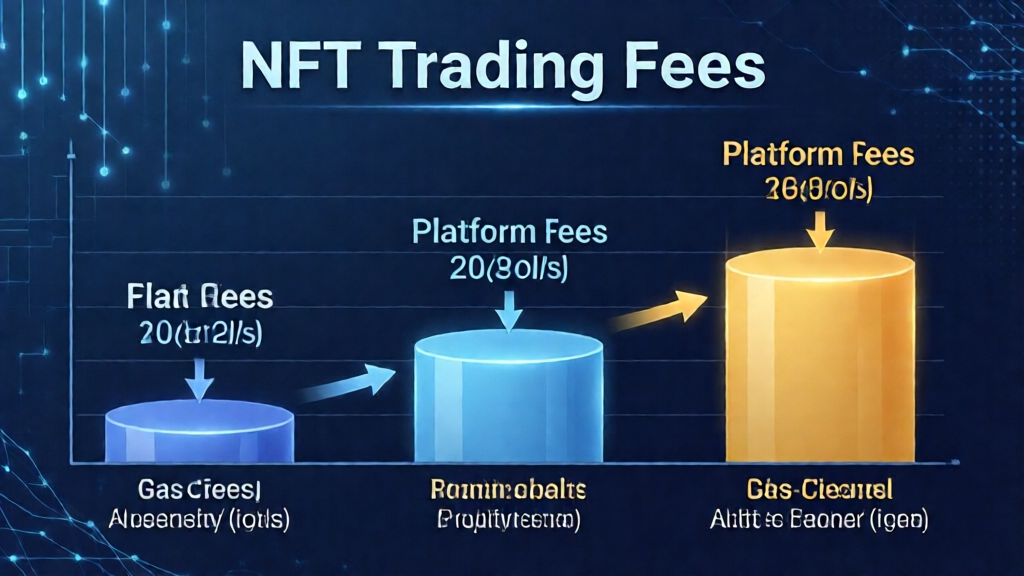
NFT trading fees refer to the costs incurred when buying, selling, or transferring NFTs on a blockchain network. These fees generally consist of gas fees, platform fees, and royalty fees, which can vary depending on several factors. Understanding these fees is crucial for anyone looking to participate in the NFT marketplace.
Gas Fees
Gas fees are transaction fees required to process and validate transactions on a blockchain, most notably Ethereum, where the majority of NFTs are traded. These fees can fluctuate due to network congestion and demand. For example, during peak times, gas fees can soar, costing traders significantly more. On average, gas fees for NFT transactions can range from $10 to $200 or more.
Platform Fees
Most NFT marketplaces charge a platform fee when a sale occurs, typically ranging from 2.5% to 5% of the sale price. Popular platforms like OpenSea and Rarible charge around 2.5% for every transaction. It’s wise for traders to account for these fees when selling or buying NFTs.
Royalty Fees
Many NFT creators set royalty fees to earn a percentage of each subsequent sale of their artwork or token. This fee can be anywhere from 5% to 10%, depending on the agreement between the creator and the platform. For instance, if you buy an NFT for $100 and resell it for $200 with a 10% royalty fee, the creator would receive $20 from your transaction.
2. How to Calculate Total NFT Trading Fees
Calculating your total NFT trading fees is essential when budgeting for your trades. Here’s a simple breakdown to help you calculate your fees before any transaction:
- Gas Fee: Check the current gas price on platforms like Etherscan or GasNow.
- Platform Fee: Multiply the sale price by the platform’s fee percentage.
- Royalty Fee: Multiply the resale price by the royalty percentage.
Let’s illustrate this with an example:
- Purchase Price of NFT: $100
- Gas Fee: $20
- Platform Fee: 2.5% (0.025 x $100 = $2.50)
- Royalty Fee: 10% (0.10 x $100 = $10)
Total Fees: $20 + $2.50 + $10 = $32.50
3. How to Reduce NFT Trading Fees
While NFT trading fees are often unavoidable, there are several strategies you can employ to minimize costs:
- Choose the Right Time to Trade: Gas fees vary significantly based on network congestion. Using gas estimation tools can help you identify optimal trading times.
- Utilize Layer 2 Solutions: Consider using Layer 2 networks, like Polygon or Optimism, which offer lower fees compared to Ethereum’s main chain.
- Bulk Transactions: If you’re buying multiple NFTs, try to group your transactions into one to save on gas fees.
- Negotiate Royalty Percentages: If you’re directly dealing with the creator, consider negotiating royalty fees if feasible.
4. Understanding Market Trends and Their Impact on Fees
The NFT marketplace is volatile, influenced by various trends. According to DappRadar, approximately 700,000 unique wallets interacted with NFT marketplaces in 2021. This surge typically leads to increased trading activity, consequently raising fees. Monitoring NFT market trends, collector behavior, and platform developments can provide insights into optimizing your trading strategies.
5. Real-World Examples of NFT Trading Fees
Let’s analyze some real-world data from popular NFT platforms to give you a better understanding of trading fees:
| Platform | Gas Fees (avg.) | Platform Fee |
|---|---|---|
| OpenSea | $10 – $200 | 2.5% |
| Rarible | $10 – $150 | 2.5% |
| Foundation | $20 – $300 | 5% |
As you can see, trading fees can vary significantly between platforms and contexts. Always do your research before proceeding.
Conclusion
Navigating NFT trading fees can be daunting, but with the right tools and knowledge, you can effectively manage your overall costs. Always stay informed about the market’s current state and innovate strategies to make your trading venture more affordable. Remember, the NFT space is continuously evolving, so keep an eye on upcoming technologies and trends that may impact these fees.
In summary, understanding and managing NFT trading fees is vital for successful participation in the market.
For more insights, tips, and tools for managing your crypto assets, visit mycryptodictionary.
Author: Dr. Mark Anderson, a leading blockchain analyst with over 50 publications in the field and experience in auditing various notable projects.