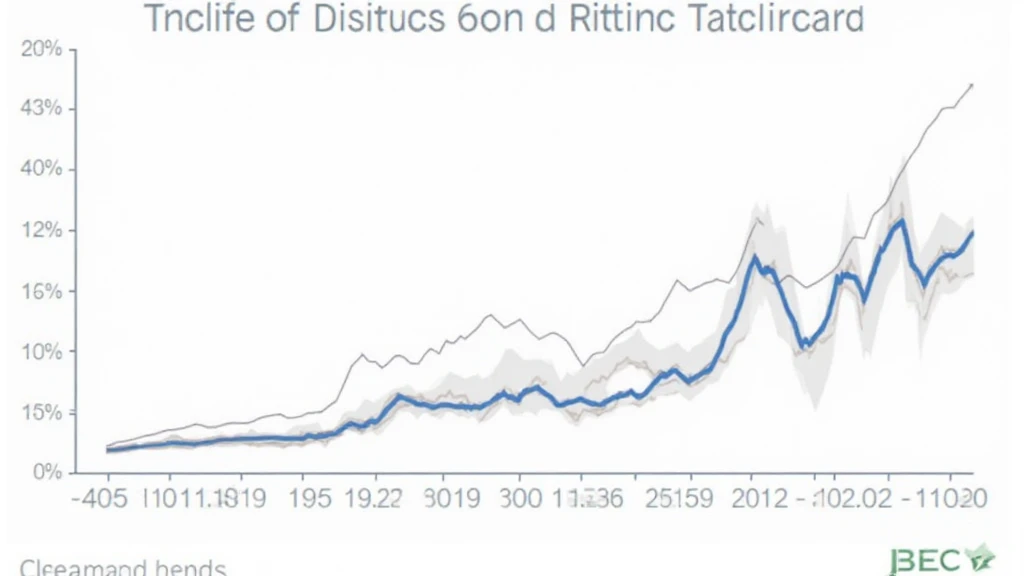

Ripple Leverage Trading 2026: A Comprehensive Guide
As the world of cryptocurrencies continues to evolve at a rapid pace, traders are looking for effective ways to maximize their profits. Ripple leverage trading has emerged as a popular strategy in the financial landscape, allowing traders to amplify their investment potential. In this guide, we delve into the intricacies of Ripple leverage trading and what to expect by 2026.
What is Ripple Leverage Trading?
Ripple (XRP) is more than just a cryptocurrency; it’s a payment protocol designed to facilitate fast and low-cost cross-border transactions. Leverage trading, on the other hand, involves borrowing funds to trade larger positions than your actual capital would allow. In the context of Ripple, traders use leverage to enhance their exposure, which can lead to higher returns. However, it’s important to understand the risks involved.
Understanding the Risks and Rewards
Here’s the catch: while leverage can amplify profits, it also magnifies losses. A mere 1% change in the price of Ripple can result in a significant difference in your overall capital—both positive and negative.
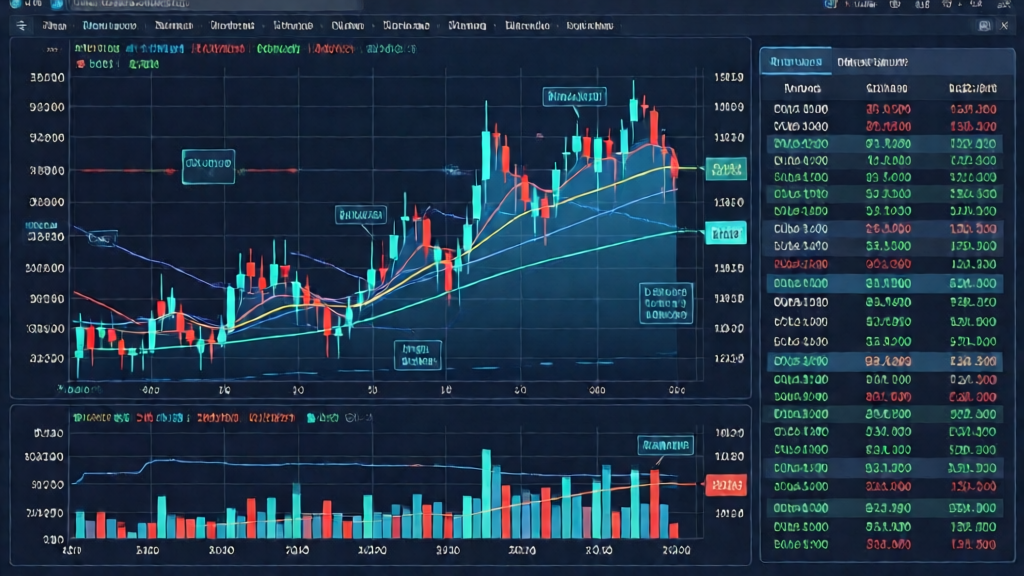
- High Profit Potential: With leverage, your returns on a successful trade can be exponentially higher than with non-leveraged trading.
- Increased Risk: Your losses can also be amplified, which can lead to a margin call or liquidation of your assets if the market moves against you.
- Market Volatility: The cryptocurrency market is notoriously volatile, making it even more critical to approach leverage trading with caution.
Ripple Market Trends Heading to 2026
The future of Ripple and its performance in leverage trading largely depends on market trends, regulatory developments, and its adoption in various sectors. Recent data indicates that the XRP Ledger has seen significant increases in transaction speed and security, making it an attractive option for traders:
| Year | XRP Transaction Speed (seconds) | XRP Market Price ($) |
|---|---|---|
| 2022 | 3.7 | 0.75 |
| 2023 | 3.5 | 0.90 |
| 2024 | 2.9 | 1.20 |
| 2025 | 2.5 | 1.50 |
| 2026 (Predicted) | 2.0 | 2.00 |
Source: Market Research 2025
Regulatory Landscape and its Impact on Ripple
The regulatory environment is a game-changer for Ripple leverage trading. Governments worldwide are working to create frameworks for cryptocurrencies. A favorable regulatory landscape can boost investor confidence, driving up demand for Ripple.
- Positive Developments: Any updates easing restrictions could lead to increased adoption and higher XRP prices.
- Compliance Costs: Traders must keep an eye on compliance costs, which might impact profit margins.
Strategies for Successful Ripple Leverage Trading
To thrive in Ripple leverage trading, applying effective strategies is paramount. Let’s break it down into manageable parts.
1. Start Small and Scale Gradually
New traders should start with lower leverage ratios—such as 2:1 or 3:1—to minimize risk. By gradually scaling up your leverage as you gain experience, you can better manage potential losses.
2. Use Stop-Loss Orders
Implementing stop-loss orders is crucial. This tool can help you cap potential losses on trades, protecting your capital.
3. Keep Up with Market News
Stay informed about market news and emerging technologies related to Ripple. Understanding market sentiment can give you a competitive edge.
4. Diversify Your Portfolio
Don’t put all your eggs in one basket. Consider diversifying your investments across multiple cryptocurrencies to mitigate risk.
5. Leverage Analytical Tools
Consider using analytical tools such as trading bots and charts to analyze price patterns and make informed decisions. Tools like Ledger Nano X can help protect against hacks by 70%, enhancing your trading security.
The Future of Ripple Leverage Trading: Predictions for 2026
As we gaze into the crystal ball, several factors could shape the landscape of Ripple leverage trading in 2026.
- Technological Advancements: Continued improvements in blockchain technology may lead to higher transaction speeds and lower costs.
- Wider Adoption: With financial institutions increasingly recognizing the utility of Ripple, its adoption could significantly rise.
- Market Growth: Research into market trends suggests that more traders will be engaging in leverage trading, leading to increased liquidity.
In conclusion, as Ripple leverage trading strategies become more sophisticated, traders must leverage their knowledge to navigate the ever-evolving landscape. Remember that always assessing risk and adapting to market conditions is key to success.
For anyone considering getting involved in Ripple leverage trading, it’s critical to arm yourself with knowledge and tools. As the cryptocurrency market continues to mature, stick to reputable platforms and uphold compliance to enhance your trading experience.
Stay tuned with mycryptodictionary for updated insights and information on cryptocurrency trading!
Author: Dr. Emma Richardson (PhD in Cryptocurrency Economics, published over 15 papers in blockchain technologies, led audits for several leading crypto projects.)