
Introduction to NFT Leverage Trading Platforms
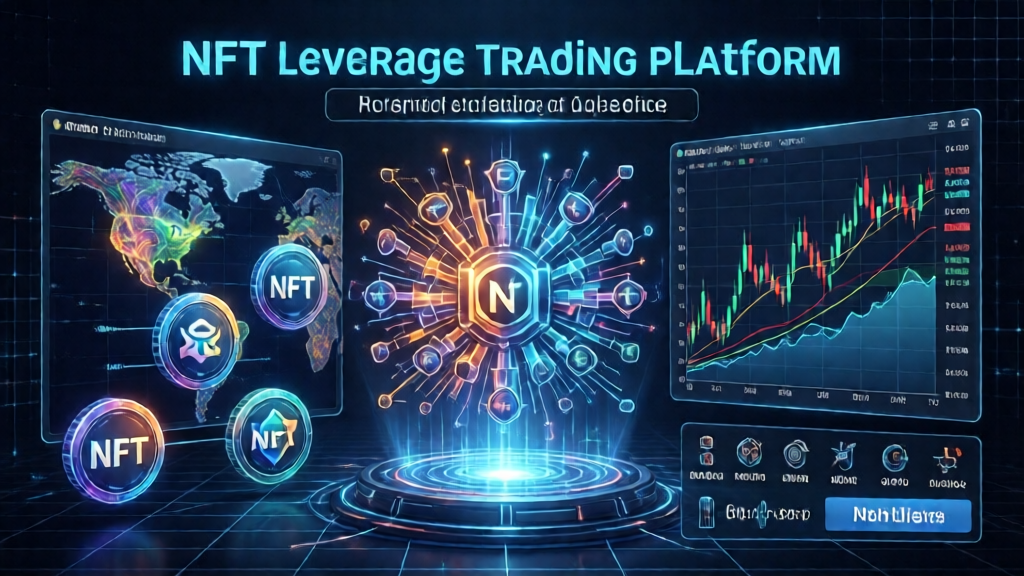
As the cryptocurrency ecosystem continues to evolve, it’s important to understand the emerging trends that are shaping the market. One such trend is the rise of the NFT Leverage Trading Platform. With the increasing popularity of non-fungible tokens (NFTs), traders are exploring ways to maximize their potential profits through leverage trading. But what does leverage trading mean in the context of NFTs? Here’s the catch: it allows traders to amplify their exposure to the NFT market by borrowing funds to make larger trades than what their capital would ordinarily allow.
This article delves into the intricacies of NFT leverage trading, examining how it works, its benefits, and risks. By the end, you’ll have a better understanding of whether this trading strategy is suitable for you.
Understanding the Basics of Leverage Trading
Leverage trading is a financial strategy where an investor borrows funds to increase their investment size. Here’s a breakdown:
- Capital Efficiency: Traders can control larger positions without needing to have the full amount available upfront. If you’re utilizing, say a 5x leverage, you only need 20% of the position value as your own capital.
- Higher Potential Returns: With larger trades, your profits can significantly increase. However, it’s crucial to note that losses can likewise be magnified.
- Market Volatility: The unique volatility of the NFT market makes leverage trading both enticing and dangerous. Prices can swing wildly, leading to rapid gains or losses.
The Rise of NFTs and Their Market Dynamics
In just the past few years, NFTs have transformed from a niche product to a mainstream asset class. According to industry reports, the NFT market is expected to exceed $30 billion by 2025. This surge in interest has opened the door for leverage trading platforms, providing new opportunities for traders.
What Makes NFTs Unique?
Unlike cryptocurrencies like Bitcoin or Ethereum, which are interchangeable, NFTs represent unique digital assets. These can include:
- Art: Digital artworks turned into NFTs have sold for millions.
- Music: Musicians are using NFTs to sell their music and connect with fans.
- Game Items: Items in video games that players can buy, sell, or trade.
How Does an NFT Leverage Trading Platform Work?
On NFT leverage trading platforms, users can initiate trades using NFTs as collateral. Let’s break this down into simpler terms:
- Register and Verify: Users start by creating an account on the trading platform and undergoing a verification process.
- Deposit NFTs: Users deposit their NFTs into the platform as collateral against the leverage they wish to take.
- Trading: Once collateral is locked in, users can execute trades, taking advantage of price movements.
Real-Life Examples
Consider a popular trading platform that recently introduced leverage trading for NFTs. Users who had previously invested in digital art could now borrow funds to broaden their investments, ultimately capitalizing on the rising market. Interestingly, many traders first experimented with leveraging other digital assets, like cryptocurrencies, before tapping into the NFT market.
Benefits of Using an NFT Leverage Trading Platform
There are several benefits to leveraging NFTs, but they come with some caveats:
- Amplified Returns: As mentioned earlier, higher exposure can lead to increased profits if trades go favorably.
- Diversity in Portfolio: Traders can diversify into fractional ownership of expensive NFTs without needing to purchase them outright.
- Access to New Markets: Leverage provides the ability to explore high-value NFT collectibles that might otherwise be out of reach.
Risks Involved with Leverage Trading
While the potential rewards are enticing, leverage trading is riddled with risks:
- Margin Calls: If the market moves against your position, the trading platform may issue a margin call, requiring more collateral to maintain your position.
- Loss of Assets: If your leveraged trade does not succeed, you risk losing not just the borrowed funds but also your collateral NFTs.
- Market Volatility: Rapid price fluctuations in the NFT market can amplify losses just as much as they can enhance gains.
How to Choose the Right NFT Leverage Trading Platform
Choosing a suitable platform involves assessing several critical factors:
- Fees: Check for trading fees, withdrawal fees, and other costs associated with the platform.
- Security Features: Ensure the platform employs strong security measures to protect your assets.
- User Experience: A well-designed interface can significantly enhance your trading experience.
Conclusion
In conclusion, the NFT leverage trading platform offers a unique opportunity for traders to maximize their engagement with the NFT market. However, it is crucial to approach it with caution due to the inherent risks involved. Before diving in, educate yourself, analyze market trends, and assess your appetite for risk.
By balancing the potential of leverage trading with sound judgment and robust strategies, you can better position yourself in this dynamic landscape of non-fungible tokens.
As always, consult with financial professionals if you’re unsure about your investment choices.
Mycryptodictionary: Your Trusted Resource
For those seeking to explore the world of cryptocurrency trading, whether through NFTs or other avenues, be sure to check out mycryptodictionary. Our platform is dedicated to equipping users with educational resources, market insights, and all necessary tools for success in the crypto world.