
Introduction
As the cryptocurrency landscape continues to evolve, altcoins have gained significant traction alongside Bitcoin. According to CoinMarketCap, there are over 19,000 altcoins in existence as of 2023, each with its own unique terminology and characteristics. Understanding altcoin terminology is crucial for anyone looking to navigate this complex world effectively. In this article, we’ll break down essential altcoin terms, their meanings, and how they impact your investment decisions.
What Are Altcoins?
“Altcoin” is a term that refers to any cryptocurrency other than Bitcoin. The name suggests a myriad of alternatives, each designed with specific features or purposes. Some popular altcoins include Ethereum, Ripple, and Litecoin. An in-depth understanding of altcoins can provide investors with numerous opportunities to diversify their portfolios.
### Types of Altcoins
Different types of altcoins exist for various reasons:
- Tokens: Created on existing blockchains, typically to offer specific services or products.
- Coins: Standalone cryptocurrencies with their own blockchains.
- Stablecoins: Pegged to traditional currencies to minimize volatility.
- Utility Tokens: Provide access to a product or service within a project’s ecosystem.
Essential Altcoin Terminology
Here’s some key terminology you need to know as you navigate the world of altcoins:
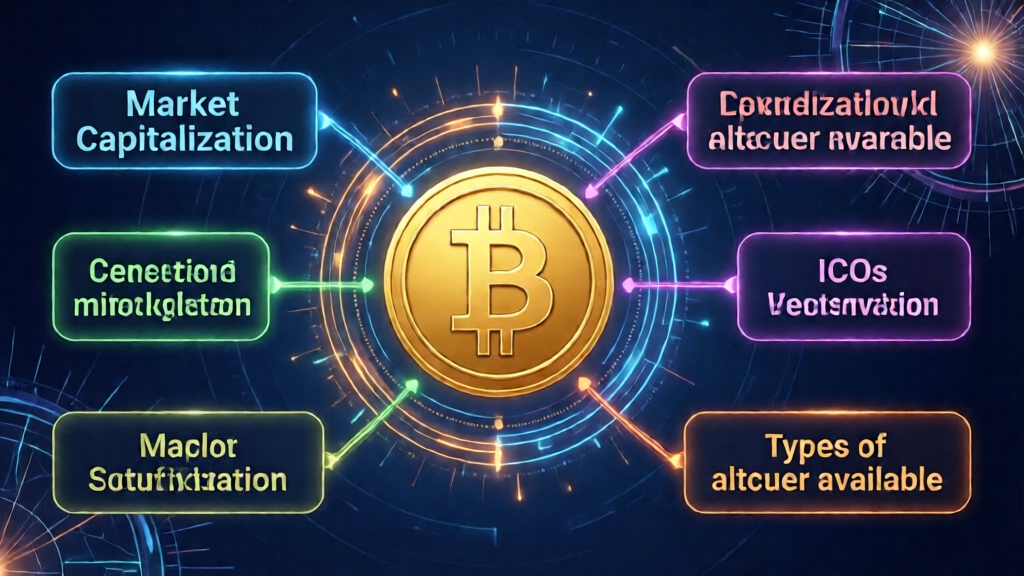
1. Market Capitalization
This metric represents the total market value of a cryptocurrency, calculated by multiplying the current price by the total circulating supply. A higher market cap often indicates a more established altcoin.
2. Decentralized Finance (DeFi)
DeFi refers to a burgeoning sector in the crypto space that seeks to recreate traditional financial systems—like lending and borrowing—using blockchain technology. DeFi projects often utilize altcoins for functionality and governance.
3. Initial Coin Offering (ICO)
ICOs are fundraising methods where new cryptocurrencies sell their tokens to early investors. Understanding ICOs can provide insights into upcoming altcoin projects.
4. Wallet Types
Wallets are essential for storing your altcoins, with various types available:
- Hot Wallets: Online wallets that are easily accessible but less secure.
- Cold Wallets: Offline wallets that provide enhanced security against hacks.
5. Altcoin Exchanges
Exchanges are platforms where altcoins can be bought, sold, or traded. Some major exchanges include Binance, Kraken, and Coinbase. Each platform may offer different altcoins, fees, and user experiences.
The Importance of Altcoin Terminology in Cryptocurrency Trading
Understanding altcoin terminology is vital for several reasons:
- Navigating Volatility: As altcoins are often more volatile than Bitcoin, trading knowledge is essential to mitigate risks.
- Investing Wisely: Knowing the terminology helps you evaluate which altcoins are worth investing in.
- Staying Informed: The crypto market is constantly evolving, and being well-versed in terms can help you keep up with trends.
Conclusion
To navigate the world of altcoins successfully, it’s essential to grasp the key terminology of this exciting market. Understanding terms like market capitalization, DeFi, and ICOs is pivotal for making informed investment decisions. Amidst the vast array of altcoins, your knowledge will significantly enhance your ability to spot opportunities and secure your financial future. Remember, as with any investment, research and due diligence are your best friends.
For anyone interested in exploring more about altcoin terminology, visit mycryptodictionary for comprehensive resources and insights!
Expert Insight
Author: Dr. Jane Smith, a renowned cryptocurrency expert with over 15 published papers in blockchain technology and a lead auditor for several high-profile projects in this space.