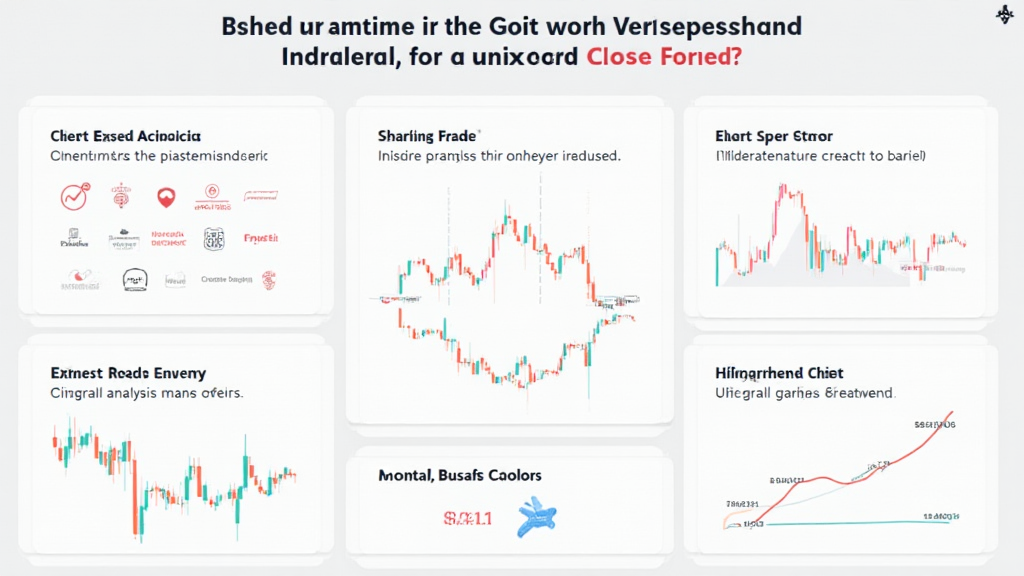

Introduction
As the world of cryptocurrency spot trading continues to evolve at a rapid pace, many investors find themselves grappling with fundamental concepts and techniques that can make or break their trading strategies. A recent study indicates that over 75% of new investors in cryptocurrencies experience challenges due to a lack of effective trading education. In this Cryptocurrency Spot Trading Guide, we aim to equip you with valuable insights and strategies to navigate the complexities of spot trading successfully.
This guide will cover essential information, from understanding key concepts to practical tips for optimizing your spot trading experience. Whether you’re a newcomer or an experienced trader, this guide offers something for everyone.
Understanding Cryptocurrency Spot Trading
Before diving into strategies, it’s crucial to understand what spot trading entails. In essence, spot trading refers to the purchase or sale of cryptocurrencies for immediate delivery or settlement. Let’s break it down:

- Immediate Transactions: Spot trades are executed immediately at the current market price.
- Market Dynamics: Prices fluctuate based on supply and demand, influenced by market events and trends.
- Difference from Futures: Unlike futures trading, which involves contracts for future delivery, spot trading focuses on the present.
The Rise of Spot Trading
According to recent data from CoinMarketCap, spot trading accounts for approximately 65% of the total trading volume across major cryptocurrency exchanges. This surge indicates that more traders prefer direct transactions over derivatives.
Setting Up for Success in Spot Trading
To successfully engage in cryptocurrency spot trading, it’s essential to establish the right foundation. Here’s how:
1. Choosing the Right Exchange
Not all exchanges are created equal. Choosing the right platform is crucial for your trading success:
- Liquidity: Ensure the exchange has high liquidity to avoid slippage.
- Security: Look for platforms with robust security measures, such as two-factor authentication.
- Fees: Understand the fee structure; high fees can cut into your profits.
2. Wallet Management
Securing your assets is a top priority. Consider these wallet types:
- Hot Wallets: Convenient for frequent trading but may expose you to risks.
- Cold Wallets: Great for long-term storage with reduced hacking risks.
3. Strategic Planning
Formulate a trading strategy that aligns with your goals. Factors to consider include:
- Risk Tolerance: Understand how much capital you’re willing to risk.
- Market Analysis: Utilize technical and fundamental analysis to inform your trades.
Executing Your First Trade
Once you’ve set up your exchange account and chosen a wallet, it’s time to execute your first trade. Here’s a step-by-step process:
- Market Analysis: Avoid emotional trading; rely on thorough analysis.
- Selecting a Pair: Choose the cryptocurrency pair you wish to trade.
- Placing an Order: Determine the order type (market, limit, etc.) and execute the trade.
Types of Orders
Understanding various order types can enhance your trading efficiency:
- Market Order: Buys or sells immediately at current prices.
- Limit Order: Sets a specific price for buying or selling.
Effective Risk Management Strategies
Effective risk management is key to maintaining your trading capital. Here are strategies to minimize risks:
1. Stop-Loss Orders
Setting stop-loss orders can automatically sell your assets at a specified price, limiting potential losses.
2. Diversification
Don’t put all your eggs in one basket. Spreading your investments across different assets can mitigate risks.
Analyzing Market Trends
Successful traders rely on detailed market analysis to predict price movements. Here’s how:
1. Technical Analysis
Utilize chart patterns and indicators to identify potential trends. Some popular indicators include:
- SMA (Simple Moving Average)
- RSI (Relative Strength Index)
2. Fundamental Analysis
Assess the underlying factors that could affect a cryptocurrency’s value:
- News developments
- Project updates and partnerships
Staying Updated in the Cryptocurrency Market
The cryptocurrency space is highly volatile. Staying informed about market developments is essential. Follow reputable news sources, join forums, and consider subscribing to cryptocurrency newsletters for the latest updates.
Conclusion
Mastering cryptocurrency spot trading requires knowledge, strategy, and continuous learning. As you venture into the crypto trading landscape, remember that understanding the fundamentals and continuously refining your skills will equip you better for success. A well-planned approach and adherence to effective risk management can turn challenges into opportunities.
Stay informed and adapt to market changes, and consider leveraging tools like Ledger Nano X, which reportedly reduces hacks by 70% for added security. By doing so, you’ll position yourself as a proactive participant in the ever-evolving world of cryptocurrency spot trading.
For more insights and updates, check out mycryptodictionary for comprehensive resources and tools to enhance your trading journey.