
Essential Blockchain Vocabulary You Need to Know
As blockchain technology continues to revolutionize the financial landscape, understanding the key terms associated with it becomes critical for enthusiasts and professionals alike. With cryptocurrency adoption on the rise, getting familiar with the blockchain vocabulary is not just beneficial; it’s essential.
In 2023, around 420 million people are estimated to own cryptocurrency worldwide. This number underscores the importance of comprehending blockchain terminology. Here’s the catch—without a proper grasp of this vocabulary, navigating the nuanced world of cryptocurrencies can be daunting.
What Is Blockchain?
At its core, a blockchain is a decentralized digital ledger designed to record transactions across many computers securely. When a transaction occurs, it is grouped into a block. This block is then added to a chain of existing blocks, forming a continuous, tamper-proof record. Here’s a simple analogy: think of blockchain like a library where each book (block) contains its own unique set of pages (data) that can’t be altered without rewriting the entire book.
The Importance of Blockchain Vocabulary
Understanding blockchain requires familiarizing yourself with key terms that define how it works, what it does, and how it’s used. This vocabulary not only enhances your knowledge but also assists you in making informed decisions whether you’re investing in cryptocurrencies or developing blockchain applications.
Key Blockchain Terms You Should Know
- Decentralization – This refers to the distribution of authority across a network, reducing reliance on a central authority. Think of it as spreading the power rather than keeping it centralized.
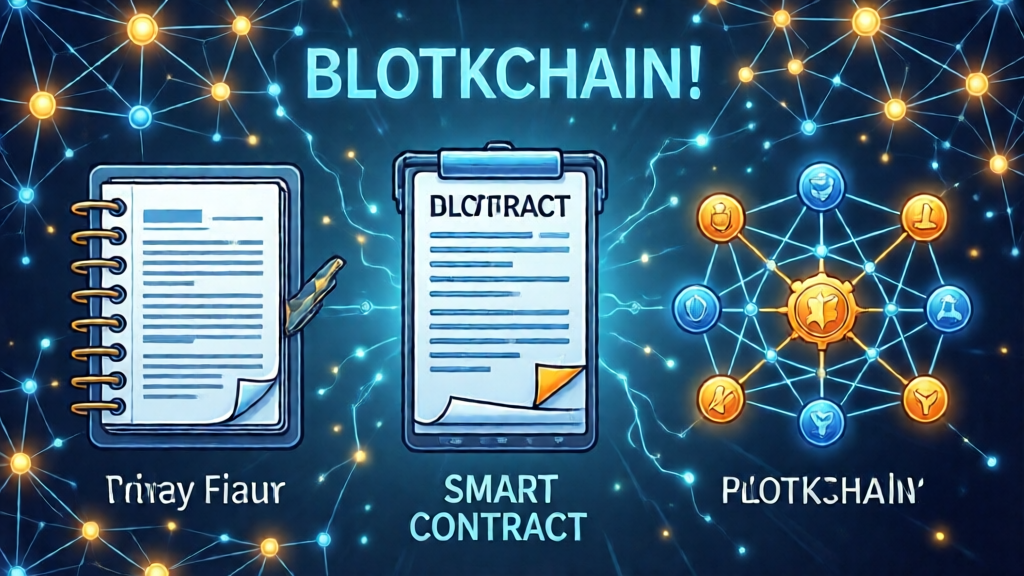
- Smart Contracts – These are self-executing contracts with the terms of the agreement directly written into code. Imagine them as automated vending machines that deliver product only when payment is made.
- Consensus Mechanisms – These algorithms ensure agreement on the validity of transactions across the blockchain; popular methods include Proof of Work and Proof of Stake.
- Node – Each computer in a blockchain network is referred to as a node. They help validate transactions and keep the blockchain running smoothly.
- Wallet – This is a digital tool that allows users to store and manage their cryptocurrencies. It’s similar to a bank account but for digital currencies.
- Hashing – A cryptographic function that converts inputs of any size into a fixed-length string, crucial for linking blocks together securely.
- Fork – A split in the blockchain that can lead to significant changes in operation or governance. Think of it as a new version of a game that expands or alters the original rules.
- Token – A digital representation of value built on top of an existing blockchain. Tokens can represent a variety of assets, not just currencies.
Why Blockchain Vocabulary Matters
Without a grasp of blockchain vocabulary, you might find yourself lost or misled in a conversation about cryptocurrency. Using the right terms accurately signifies that you’re not just acquainted with the surface level but have a deeper understanding of its functioning.
Consider the ever-evolving nature of this technology: new terms and definitions are constantly emerging. By familiarizing yourself with the vocabulary, you position yourself at the forefront of this transformative wave in technology.
Real-World Examples
To illustrate, let’s look at how a real-world application of blockchain can clarify some of the terms mentioned earlier. In 2023, the supply chain industry saw a reduction in fraud by 60% through the implementation of blockchain technology. Companies like IBM and Walmart use blockchain to trace food products from farms to stores, ensuring transparency. Here’s how the vocabulary plays a role:
- A smart contract can automate payment upon delivery of goods, increasing efficiency.
- Each transaction is verified through a consensus mechanism by multiple nodes ensuring credibility.
- Each transaction is given a hash, forming a unique identifier that enhances security.
Future of Blockchain Vocabulary
As blockchain technology continues to advance, emerging concepts like decentralized finance (DeFi), non-fungible tokens (NFTs), and layer two solutions will increasingly dominate the discourse. Keeping your vocabulary updated in this space enables you to engage with upcoming trends and innovations effectively.
Moreover, in regions like Vietnam, the policy landscape surrounding cryptocurrencies is evolving rapidly. As of 2025, reports suggest that the Vietnamese government is planning to trial blockchain-based digital currency. This emphasizes the need for local investors to familiarize themselves with blockchain vocabulary to navigate these opportunities and regulations competently.
Practical Tools for Learning
To enhance your understanding of blockchain vocabulary, consider utilizing reputable resources and platforms:
- Blockchain Expos – Attending conferences provides first-hand experience and expert insights.
- Webinars and Online Courses – Many institutions offer courses focused solely on blockchain technology and its terminologies.
- Cryptocurrency Wallets – Engaging with tools like Ledger Nano X not only helps you practice but also decreases hacks by 70%.
Conclusion
Understanding the blockchain vocabulary is not just an academic exercise; it’s foundational for anyone keen on thriving in the cryptocurrency landscape. By utilizing the terms outlined and keeping abreast of new developments, you’ll be well-prepared to engage in the conversation and capitalize on the opportunities that lie ahead. Whether you’re looking into investments, careers, or just want to make sense of this intricate technology, mastering its vocabulary is key.
For anyone interested in cryptocurrency, the journey begins with understanding the language that drives it. As you embark on this journey, remember to explore MyCryptoDictionary, your reliable source for navigating the world of blockchain and cryptocurrency.
Author: Dr. Alex Chen, a blockchain researcher with over 50 published papers and has audited major projects like Ethereum and Binance. Dr. Chen specializes in the intersection of regulation and technology.