
Introduction
In the expansive realm of cryptocurrency, Decentralized Autonomous Organizations (DAOs) are leaving an indelible mark. But what precisely is a DAO? Recent studies indicate that over 20% of crypto investors are now familiar with DAOs, signaling a growing interest and understanding. This article aims to elucidate the concept of DAO, its significance to the blockchain ecosystem, and how it can transform decision-making processes in organizations.
The Genesis of DAO
DAOs emerged alongside the advent of blockchain technology. Bitcoin, launched in 2009, introduced the principles of decentralization, but it was Ethereum that formally introduced DAOs in 2016 with The DAO project. This attempt, while a failure due to a hack, laid the foundation for future successful DAOs. Moreover, as of 2023, there are over 4,000 active DAOs globally, as reported by CryptoSlate.
What is a DAO?
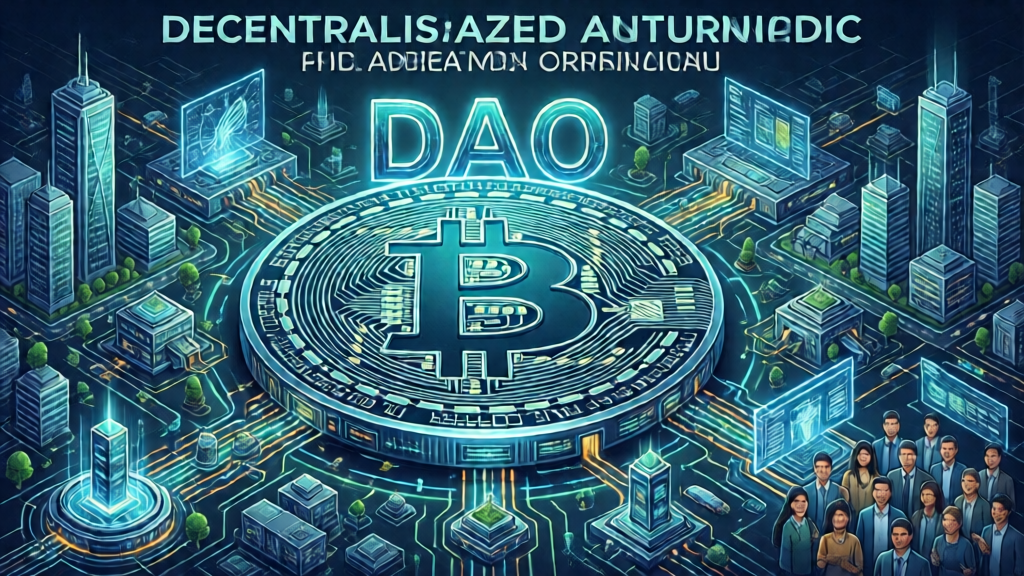
A DAO is an organization represented by rules encoded as a computer program that is transparent, controlled by organization members and not influenced by a central government. Without the need for traditional management structures, each member has a say in decisions, reflecting a democratic process.
Key Features of DAOs
- Decentralization: Unlike traditional organizations, decision-making is spread across members.
- Transparency: All transactions, proposals, and changes are recorded on the blockchain, available for anyone to inspect.
- Smart Contracts: DAOs operate using self-executing agreements, ensuring rules are followed without human intervention.
- Community Governance: Members vote on proposals, allocating funds and resources to projects they deem valuable.
How DAOs Function
To understand DAOs’ operational structure, let’s delve deeper into their functionalities. DAOs rely on smart contracts, which are coded on the blockchain, ensuring transactions are executed as programmed without the need for intermediaries. These smart contracts govern every action, from basic rules to funding allocations, mirroring a typical organizational hierarchy.
The Role of Governance Tokens
Many DAOs use governance tokens to facilitate decision-making. By holding these tokens, members can vote on proposals. For instance, in the popular DAO MakerDAO, MKR token holders can currently vote on important changes to the stability fee and collateral types. This mechanism empowers community members, ensuring their voices influence the organization’s trajectory.
Real-World Use Cases of DAOs
Let’s break down how DAOs are being applied in various sectors:
- Investment DAOs: Such as Flamingo DAO, which focuses on acquiring fractionalized NFTs.
- Social DAOs: Examples include Friends With Benefits, aiming to cultivate community through shared experiences and events.
- Charitable DAOs: Like Gitcoin DAO, promoting funding for open-source projects and technologies.
The Challenges Facing DAOs
Despite their innovative framework, DAOs face notable challenges:
- Legal Uncertainty: Many jurisdictions are grappling with regulating DAOs.
- Security Risks: Many hacks have occurred, such as the infamous Ethereum hack of 2016, which highlights the vulnerabilities within smart contracts.
- Coordination Challenges: As communities grow, achieving consensus to enact proposals can become difficult.
Potential of DAOs: The Future
According to a report by Statista, the global blockchain market is expected to reach $163 billion by 2027. As this market expands, the role of DAOs in enabling decentralized governance will likely be indispensable.
Conclusion
In summary, understanding DAOs is crucial for anyone involved in the cryptocurrency landscape. They represent a paradigm shift in how organizations can be structured, managed, and governed. DAOs not only facilitate a more democratic approach but also harness the power of blockchain technology to automate processes, ensuring transparency and trust. As we navigate the complexities of the digital age, DAOs will undoubtedly play a pivotal role in redefining organizational dynamics. For those looking to delve deeper into the possibilities that DAOs present, platforms like mycryptodictionary can be invaluable resources.
About the Author
Dr. Sophia Yan, a leading blockchain researcher, has published over 25 papers on decentralized governance. She has led numerous audits of well-known crypto projects and remains at the forefront of exploring innovative uses of blockchain technology.