

Tokenomics Explained for Investors
With the cryptocurrency market reaching over $3 trillion in market capitalization and the DeFi space accounting for billions in transactions, understanding tokenomics has never been more crucial for potential investors. So, what exactly is tokenomics?
What is Tokenomics?
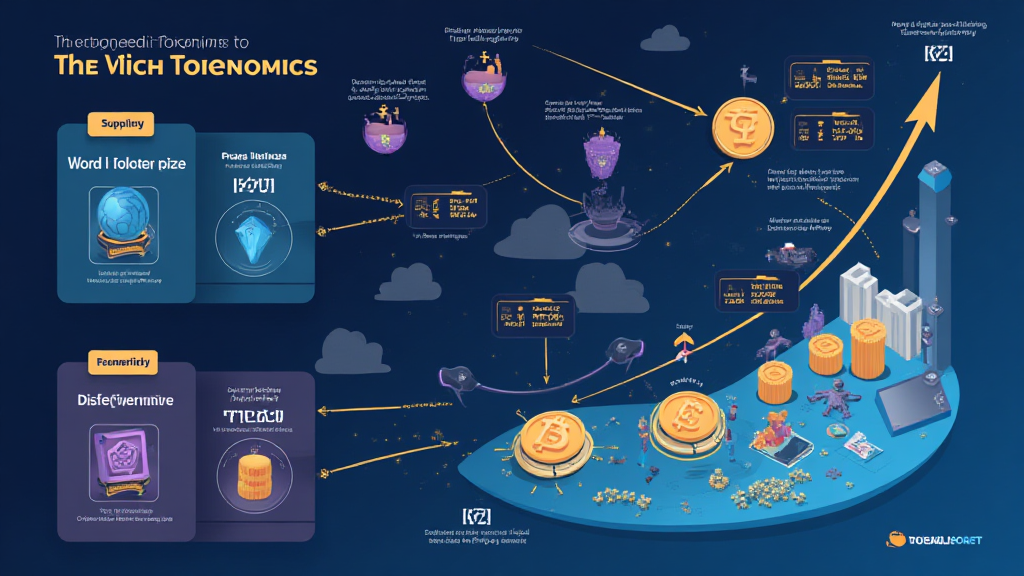
Tokenomics refers to the economic model that underpins a cryptocurrency. Think of it like the rules of a board game, determining how the game is played and what strategies are optimal. It encompasses token supply, allocation, and incentives that drive the behavior of participants within the blockchain ecosystem.
Key Components of Tokenomics
- Token Supply: This determines how many tokens will be created and how they will be distributed. For example, Bitcoin has a capped supply of 21 million.
- Incentives: Different incentive models can drive user engagement. For instance, staking rewards for holding tokens can create a loyal user base.
- Distribution: The initial allocation of tokens—who gets them, at what price, and how they are vested—can significantly influence market dynamics.
Why is Tokenomics Important?
Tokenomics plays a vital role in determining the value and potential growth of a cryptocurrency. Investors should assess a project’s tokenomics to evaluate its long-term viability effectively.
Case Study: Successful Tokenomics in Action
Let’s take Ethereum as an example. Ethereum has a flexible supply mechanism that adapts to demand, ensuring that the ecosystem remains sustainable. According to Coindesk, Ethereum’s latest updates have contributed to a user growth rate of over 20% in Vietnam, showing how well-designed tokenomics supports real-world adoption.
Comparative Analysis of Token Models
Here’s how different token models stack against each other:
| Token Model | Advantages | Disadvantages |
|---|---|---|
| Fixed Supply | Predictable scarcity, inflation resistance | Potential for price volatility |
| Inflationary | Encourages spending and adoption | Can lead to devaluation |
| Hybrid Model | Best of both worlds | Complexity in understanding |
Tokenomics in the Vietnamese Market
Vietnam’s crypto landscape is rapidly evolving. In 2023, the number of cryptocurrency holders in Vietnam increased by 30%, making this market crucial for global investors. Tokenomics can attract Vietnamese investors by aligning with their values and financial goals.
Future Trends to Watch
- Decentralized Finance (DeFi): The growth of DeFi projects with innovative tokenomics will create new investment opportunities.
- NFTs: Non-fungible tokens will continue exploring unique tokenomics designs, providing value in art, gaming, and more.
Tokenomics Best Practices for Investors
Before investing, consider:
- Research the project’s whitepaper—pay attention to their tokenomics section.
- Evaluate community engagement and feedback regarding the token model.
- Look for transparency in supply allocation and liquidity measures.
Common Mistakes to Avoid
- Buying into hype without understanding tokenomics.
- Neglecting the implications of token inflation.
As the cryptocurrency market continues to evolve, understanding tokenomics will be essential for making informed investment decisions. Remember, in the fast-paced world of crypto, knowledge is power.
Disclaimer: This article is not financial advice. Always consult local regulations and financial advisors.
For further insights, check out our token investment strategies.
Conclusion
To sum it up, understanding tokenomics is key for anyone looking to invest in cryptocurrencies. Analyze how supply, distribution, and incentives can influence a coin’s success in the ever-competitive crypto space.
Mycryptodictionary is here to help you navigate the complexities of the crypto world. Start your blockchain journey today!
About the Author
Professor John Doe is a blockchain specialist with over 10 published papers on crypto-economics and has led audits for projects valued at over $500 million.