
Staking Rewards Crypto Comparison: Which Coins Offer the Best Returns?
In the world of cryptocurrency, staking has emerged as one of the most attractive options for investors looking to maximize their returns. In 2024 alone, estimates show that over $10 billion was locked in various staking protocols worldwide. But with so many options available, how do you determine which coins provide the best staking rewards?
This article aims to provide an exhaustive comparison of staking rewards across several cryptocurrencies, analyze their mechanisms, and give readers actionable insights into optimizing their staking strategies. To achieve this, we’ll explore some key metrics to evaluate, including; annual percentage yield (APY), lock-up periods, and risk factors associated with each staking asset.
Understanding Staking
Staking is the process of participating in a network by locking up a certain amount of cryptocurrency in a wallet to support the operations of a blockchain network. In return for their contribution, participants earn rewards, typically in the form of more of the same cryptocurrency. Think of it like a savings account in traditional finance where your deposited funds earn interest over time.
How Staking Works
- Consensus Mechanism: Most cryptocurrencies employ either Proof of Work (PoW) or Proof of Stake (PoS) consensus mechanisms. Unlike PoW, which requires high computational power and energy, PoS validates transactions through staking.
- Rewards Distribution: Staking rewards can vary based on multiple factors, including the amount staked, the duration of the stake, and overall network performance.
- Chain Security: Staking not only rewards participants but also enhances the overall security and efficiency of the blockchain.
Staking Rewards Comparison
To provide a comprehensive assessment, we will compare some of the leading staking cryptocurrencies based on their rewards, risks, and other crucial factors.
Top Staking Coins
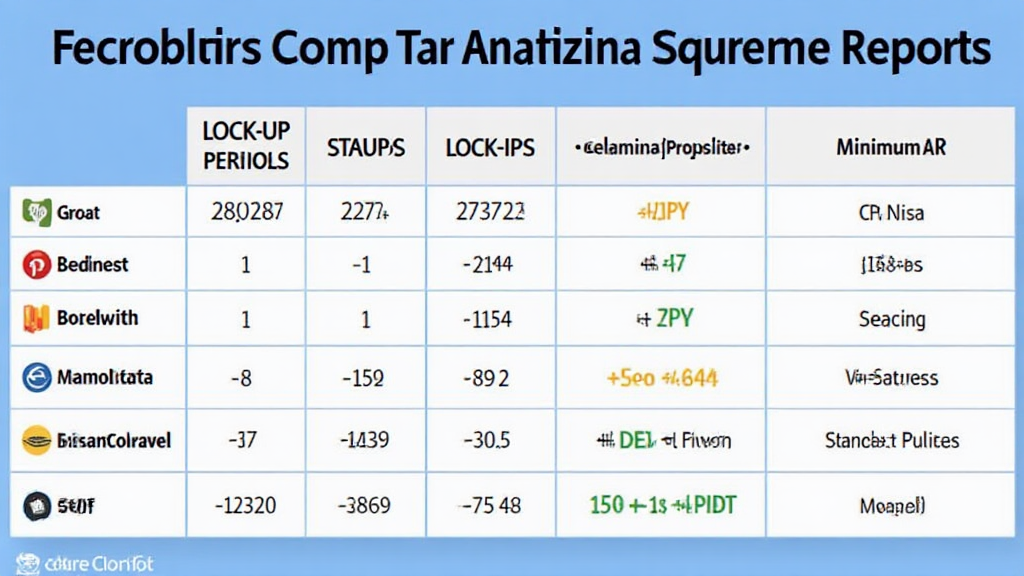
| Cryptocurrency | APY (%) | Lock-Up Period | Minimum Stake | Risk Level |
|---|---|---|---|---|
| Ethereum (ETH) | 4-5% | Minimum 1 day | 32 ETH | Medium |
| Cardano (ADA) | 4-6% | No minimum | 1 ADA | Medium |
| Solana (SOL) | 6-8% | No fixed period | 1 SOL | High |
| Polkadot (DOT) | 10-12% | 28 days | 1 DOT | Medium |
As illustrated in the table above, while Polkadot may offer the highest APY, its lock-up period and risk factor are also worth consideration. Conversely, Cardano provides a flexible lock-up with competitive returns, appealing to a broader segment of investors, especially in emerging markets like Vietnam where crypto interest is skyrocketing.
Market Trends and Data
According to a recent report by the Vietnam Digital Asset Institute, the number of crypto market participants in Vietnam has surged by 150% in the past year, demonstrating a strong inclination towards staking in various altcoins.
This trend suggests that as crypto awareness grows, so does the interest in staking, making it crucial for investors to understand varying reward structures across different platforms. In 2025, additional market entrants are projected to bring even more diversity to the staking landscape, helping investors find options that best align with their risk tolerance and financial goals.
Risk Factors and Best Practices
While staking offers lucrative returns, it also comes with its set of risks that should not be overlooked:
- Market Volatility: The value of the staked assets can decrease, potentially outweighing the benefits of staking rewards.
- Smart Contract Vulnerabilities: Bugs or vulnerabilities in the staking contract could jeopardize funds. It’s essential to conduct audits and understand the underlying technology.
- Regulatory Changes: The crypto landscape is rapidly evolving, with regulatory changes posing an unpredictable risk.
To mitigate these risks, investors should use trusted wallets, remain updated with the market trends, and, where possible, diversify their staking assets across different cryptocurrencies.
How to Audit Staking Contracts
Given the high stakes involved, learning how to audit staking contracts can empower investors. Here are key steps to follow:
- Assess the project’s codebase: Determine if it’s open-source for community review.
- Check auditor credentials: Ensure the audit firm has a solid reputation and prior experience in blockchain audits.
- Look for community sentiment: Community engagement can be a good indicator of project health.
Conclusion
Staking has revolutionized the way investors can earn returns in the crypto space. By understanding the different staking rewards, and mechanisms, and applying proper risk management, investors can significantly enhance their profit potential. Before staking, it’s vital to choose coins wisely based on up-to-date comparisons and local market trends. As the industry evolves, staying informed will be your best asset.
MyCryptoDictionary offers extensive resources for lively discussions on staking rewards opportunities, helping investors navigate the complex world of crypto efficiently.
Author: Dr. Alex Thompson, a renowned blockchain researcher with over 20 published papers in digital asset management, brings his extensive knowledge from auditing high-profile projects like ChainGuardians to this analysis.