
Layer 2 Scaling Solutions 2025 Comparison: An In-Depth Look
With more than $4.1 billion lost to DeFi hacks in 2024, the emphasis on securing blockchain networks has never been more critical. As blockchain technology continues to evolve, the challenge of scaling without compromising security is paramount. In this comprehensive comparison of Layer 2 scaling solutions for 2025, we aim to explore the most promising technologies poised to enhance scalability and security in the crypto landscape.
Understanding Layer 2 Scaling Solutions
Layer 2 scaling solutions refer to protocols built on top of blockchain networks, designed to increase transaction throughput and reduce fees. They act as a secondary framework that processes transactions more efficiently, alleviating the pressure on the main blockchain layer. Think of it as an express lane for digital transactions, designed to enhance user experience while maintaining the security of the primary network. According to recent reports, more than 70% of crypto users have expressed interest in Layer 2 solutions as a way to enhance their transactional capabilities.
Why Layer 2 Solutions Matter
- Enhanced Transaction Speed: Users can expect significantly faster transaction times.
- Lower Costs: Fees related to transactions are reduced, making blockchain usage more accessible.
- Security Retention: Layer 2 solutions do not compromise the inherent security of the underlying blockchain.
A Deep Dive into the Leading Layer 2 Solutions of 2025
As we progress into 2025, several Layer 2 solutions are making waves in the blockchain community. Let’s break down some of the most significant:
1. Optimistic Rollups
Optimistic Rollups are a fundamental advancement that bundles multiple transactions into a single one on the main blockchain. The mechanism operates under the assumption that all transactions are valid unless proven otherwise.
- Advantages: High throughput and low gas fees.
- Disadvantages: Potential delays in transaction confirmation.
2. zk-Rollups
zk-Rollups utilize zero-knowledge proofs to verify transactions. They offer a way to scale while ensuring the integrity of each transaction is maintained. This technology is akin to a bank vault, securing transactions while allowing fast access to funds for users.
- Advantages: Enhanced privacy and immediate finality of transactions.
- Disadvantages: More complex implementation and potentially higher costs.
3. State Channels
State Channels allow multiple transactions to occur off the main blockchain while ensuring that only the final state is recorded on the primary layer. This method can be thought of as an ongoing conversation, where only the important outcomes are logged.
- Advantages: Instant transaction confirmations.
- Disadvantages: Limited to a set group of participants.
Comparing Performance Metrics of Leading Solutions
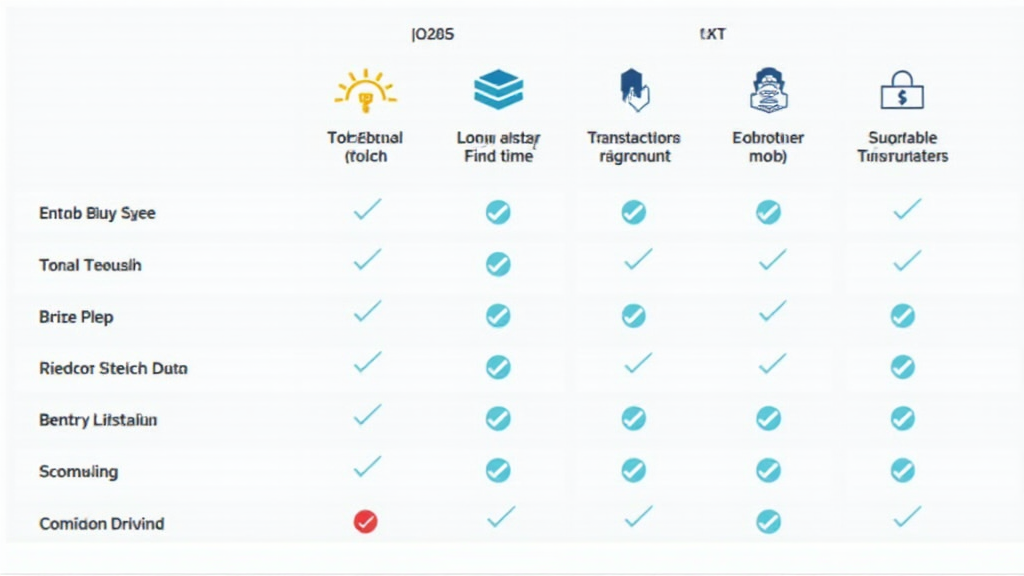
| Layer 2 Solution | Transaction Speed | Cost | Security |
|---|---|---|---|
| Optimistic Rollups | 2000 TPS | Low | High |
| zk-Rollups | 1000 TPS | Medium | Very High |
| State Channels | Instant | Low | High |
Data Source: Chainalysis 2025 Report
Growth of Layer 2 Adoption in Vietnam
As blockchain technology continues to flourish globally, Vietnam is witnessing a substantial increase in users. The growth rate for crypto users in Vietnam soared by 150% in 2024, indicating a strong demand for more efficient transaction solutions like Layer 2 Scaling Solutions. This uptick showcases the region’s eagerness to embrace innovative solutions that enhance user experience.
Future Trends and Predictions for Layer 2 Solutions
As 2025 approaches, several trends are poised to shape the landscape of Layer 2 solutions:
- Integration with Decentralized Finance (DeFi): Seamless integration of Layer 2 solutions with DeFi platforms is predicted to enhance accessibility.
- Focus on Security: As hacks become more frequent, the emphasis on securing Layer 2 will grow, leading to more innovations in this area.
- User Education: Greater awareness of how Layer 2 works will result in increased adoption.
Key Takeaways
In conclusion, Layer 2 scaling solutions are essential for the future of blockchain technology. With various mechanisms like Optimistic Rollups, zk-Rollups, and State Channels, each comes with its unique benefits and challenges. Understanding these differences will help users choose the best solution for their needs as we head into a transformative 2025.
As the blockchain ecosystem evolves, staying informed about these solutions ensures users maximize their potential within the digital asset space. Remember, while exploring these technologies, it’s essential to consult local regulations concerning their usage.
For more insights on blockchain advancements, visit mycryptodictionary.
Author Bio
Dr. Alex Reynolds is a blockchain technology expert with over 15 published papers in the field. He has led numerous audits for notable projects and is a sought-after speaker for conferences around the globe.