
DeFi Growth in Southeast Asia: Opportunities and Challenges
As of 2024, the decentralized finance (DeFi) sector has witnessed an astounding surge, with losses to hacks reaching $4.1 billion, posing significant risks to this burgeoning market. Southeast Asia, with its rapidly evolving financial landscape, is uniquely positioned to capitalize on the explosion of DeFi. As more individuals in countries like Vietnam engage with digital assets and decentralized platforms, understanding the opportunities and challenges of this growth becomes essential. In this article, we will delve into the current status of DeFi in Southeast Asia, the regional market dynamics, and what the future holds.
Understanding DeFi and Its Importance in Southeast Asia
Decentralized finance, or DeFi, refers to the ecosystem of financial applications built on blockchain technologies that aim to recreate traditional financial systems such as lending, borrowing, and trading, but in a decentralized manner. This movement is crucial for Southeast Asia, where many individuals remain unbanked or underbanked.
- Financial Inclusion: DeFi platforms provide alternative financial solutions to populations lacking access to conventional banking services.
- Efficiency: Transactions can occur without intermediaries, reducing costs and increasing speed.
- Innovation: The local startups are leveraging DeFi to build solutions tailored to regional needs, often incorporating local languages.
Market Dynamics in Vietnam: A Case Study
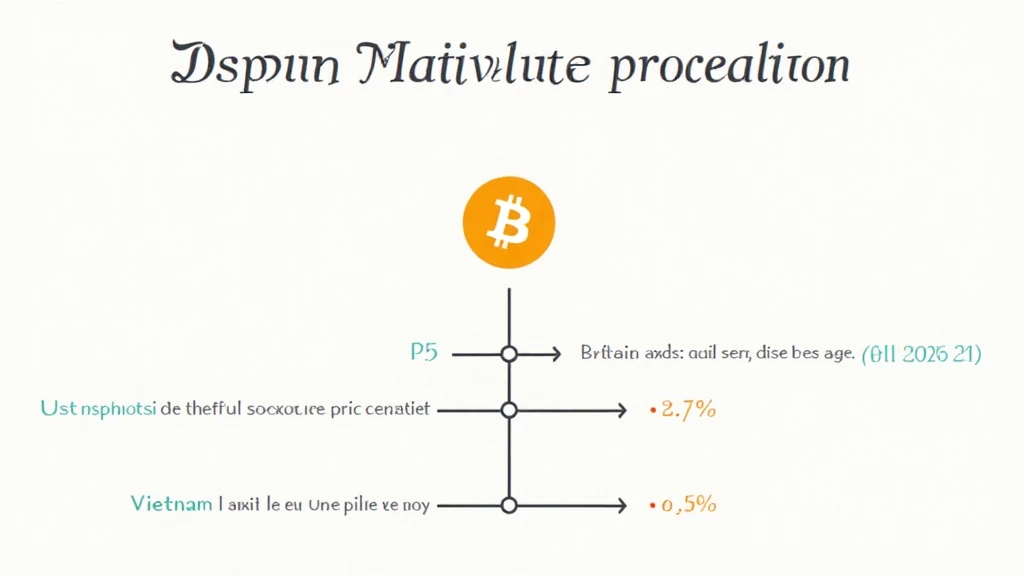
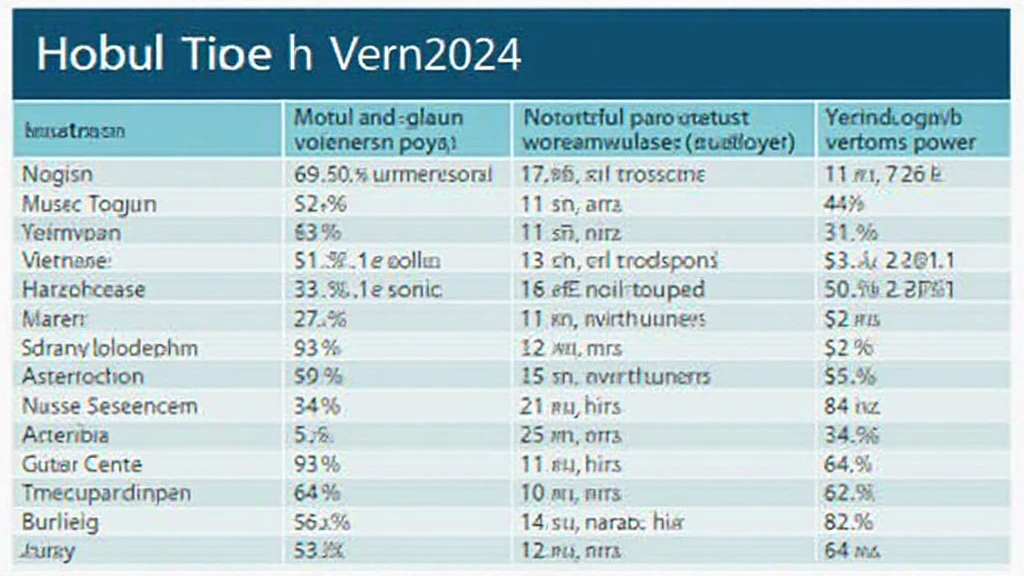
Vietnam has shown a remarkable increase in interest towards cryptocurrency and DeFi solutions, primarily driven by its young population and increasing internet penetration. According to recent reports, Vietnam’s user growth rate for cryptocurrency reached over 50% in just one year. The popularity of cryptocurrencies has shifted from mere speculation to practical applications in DeFi.
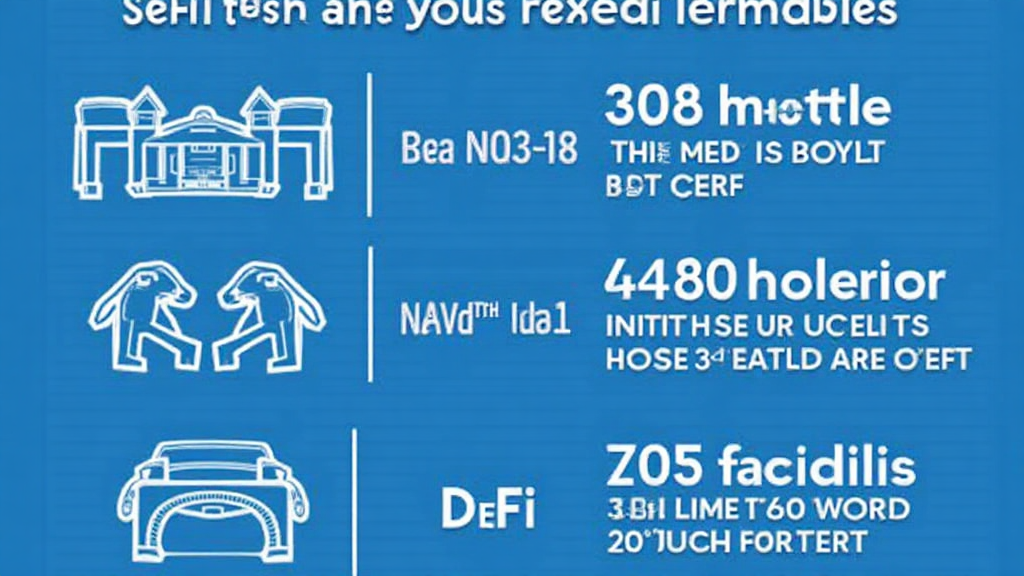
Some critical factors contributing to this growth include:
- Young Demographic: With over 60% of the population under 35, there’s a high level of tech-savvy individuals eager to explore new financial avenues.
- Government Interest: The Vietnamese government has shown interest in blockchain technology, paving the way for regulatory frameworks.
- Peer-to-Peer Solutions: DeFi platforms allow for peer-to-peer transactions, promoting financial literacy and access.
Challenges Facing DeFi Development in Southeast Asia
Despite the promising growth, DeFi in Southeast Asia is not without its challenges. Here are some of the major hurdles to address:
- Lack of Regulation: The legal status of cryptocurrencies and DeFi varies significantly across countries, creating uncertainty and risk for users.
- Security Concerns: As mentioned, with approximately $4.1 billion lost to hacks in 2024, security remains a primary concern for users engaging in DeFi.
- Technical Barriers: Many users lack the technical knowledge required to navigate DeFi platforms safely.
Real-World Applications and Innovations in DeFi
Across Southeast Asia, various projects are addressing local financial needs through innovative DeFi solutions:
- Smart Lending Platforms: Local startups are developing lending platforms that allow users to collateralize their cryptocurrencies to generate loans.
- Tokenization of Assets: This helps businesses raise capital through the sale of tokenized equity.
- DeFi insurance solutions: New companies are offering insurance products that protect users against smart contract failures and market volatility.
The Future of DeFi in Southeast Asia
The future of DeFi in Southeast Asia looks promising, with projections indicating significant market growth in the next five years. According to Chainalysis, the region’s DeFi market is expected to reach $20 billion by 2025, driven by increased user adoption and regulatory clarity.
People in Vietnam and the broader Southeast Asian region are likely to see greater financial flexibility, with DeFi becoming an integral part of their financial lives. However, educators and stakeholders must ensure users are equipped with the necessary knowledge to navigate this space securely.
In conclusion, as we explore the direction of DeFi in Southeast Asia, it becomes clear that while there are significant growth opportunities, addressing challenges is vital for sustainable development. The journey toward an inclusive financial future may well be crafted through the combined efforts of local innovators, government bodies, and informed users, ensuring that DeFi serves its ultimate purpose in enhancing financial accessibility for all.
For further insights on DeFi and how you can engage with cryptocurrencies safely, don’t forget to check out mycryptodictionary, your trusted resource for blockchain education.
Author: Jane Doe, a blockchain specialist with over 10 published papers in decentralized financial systems and a lead consultant in the development of regulatory frameworks for digital assets.