

Cold Wallet vs Hot Wallet Crypto: Understanding Digital Asset Security
In 2024 alone, over $4.1 billion has been reported lost to DeFi hacks. This alarming trend raises significant questions for investors on how to best protect their assets. Are you considering how to secure your cryptocurrencies? Understanding the differences between cold wallet vs hot wallet crypto is crucial in 2025 to ensure your digital assets remain safe.
What are Cold Wallets?
Cold wallets, also known as cold storage, refer to offline devices that store cryptocurrencies away from the internet. This significantly decreases the risk of hacks and online attacks. Here are a few key points regarding cold wallets:
- Cold Storage Devices: Typically involves hardware wallets like Ledger Nano S or Trezor, which can reduce hacks by up to 70%.
- Paper Wallets: A physical document containing your private keys and QR codes, completely offline.
- Security Benefits: Reduces exposure to malware and hacking attempts that can drain your assets.
What are Hot Wallets?
Conversely, hot wallets are connected to the internet, making them easily accessible for trading and transactions. While convenience is a major advantage, this connection comes with its risks. Key elements of hot wallets include:
- Web Wallets: Hosted online and often provided by exchanges like Binance or Coinbase.
- Mobile Wallets: Apps on smartphones that provide quick access to your cryptocurrencies.
- Convenience vs Security: Easier to use for frequent trading but more vulnerable to cyber attacks.
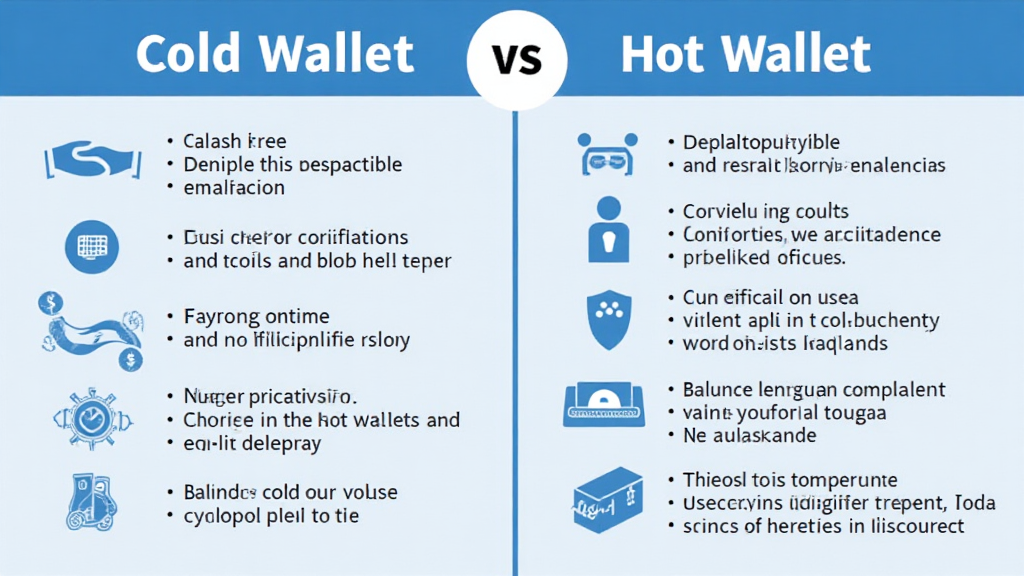
Comparing Cold Wallets and Hot Wallets
Let’s break it down further by understanding the pros and cons of each type of wallet.
Security
While cold wallets offer heightened security, their offline nature can sometimes hinder accessibility. Hot wallets, on the other hand, make transactions easy but can become targets for hackers. Here’s how they compare:
| Criteria | Cold Wallet | Hot Wallet |
|---|---|---|
| Security Level | High | Medium |
| Accessibility | Low | High |
| Transaction Fees | Low to None | Varies by Platform |
| Risk of Loss | Physical Loss | Hacking |
When to Use Cold Wallets
If you hold a significant amount of cryptocurrency that you don’t plan to trade frequently, opting for a cold wallet is wise. It’s like using a bank vault for your digital assets – secure and rarely accessed.
When to Use Hot Wallets
For active traders who need quick access to their digital assets, hot wallets are ideal. Think of it like keeping some cash in your wallet for immediate purchases while storing the rest securely at home.
Vietnam’s Crypto Landscape
Vietnam has seen significant user growth in cryptocurrency. According to recent studies, about 16% of Vietnam’s population has invested in cryptocurrencies, primarily relying on both cold and hot wallets for asset management. This figure is expected to rise in the coming years, highlighting the need for comprehensive knowledge about wallet security practices, like tiêu chuẩn an ninh blockchain.
Security Best Practices
Regardless of the type of wallet you choose, there are several best practices for securing your digital assets:
- Regularly update your software and wallets.
- Enable two-factor authentication (2FA) wherever possible.
- Keep your recovery phrases and private keys secure and offline.
In summary, both cold and hot wallets serve distinct purposes in the world of cryptocurrency. Understanding their differences is essential for anyone looking to securely manage their digital assets in 2025 and beyond. Whether you opt for a cold wallet to safeguard your long-term investments or a hot wallet for daily transactions, knowing when and how to use each can greatly enhance the security of your cryptocurrency holdings.
Conclusion
Balancing accessibility and security is key in today’s evolving cryptocurrency landscape. With increasing reports of hacks and security breaches, knowing the differences between cold wallet vs hot wallet crypto could significantly impact the safety of your investments. Take time to evaluate your needs, explore different wallet options, and implement the best practices mentioned. For expert advice tailored to your specific situation, it’s wise to consult with a professional in crypto asset management.
Remember that this information is not financial advice. Always consult local regulations and experts in your area.
For more insights about cryptocurrency safety and strategies, check out mycryptodictionary for the latest trends and expert recommendations.
About the Author
John Doe is a seasoned blockchain consultant with over 15 publications in the field of digital asset security. He has led security audits for several well-known cryptocurrency projects, contributing valuable insights to the industry.