
Introduction
In 2024 alone, the cryptocurrency market witnessed over $4.1 billion lost due to hacks and scams, highlighting the critical need for robust security measures and stringent regulations. As the ASEAN region grows in popularity as a hub for blockchain and cryptocurrency innovation, understanding the regulatory landscape becomes increasingly vital for investors and businesses alike. In this article, we will delve into the ASEAN crypto regulations, their implications for users, and how you can navigate this dynamic environment effectively.
Understanding ASEAN Crypto Regulations
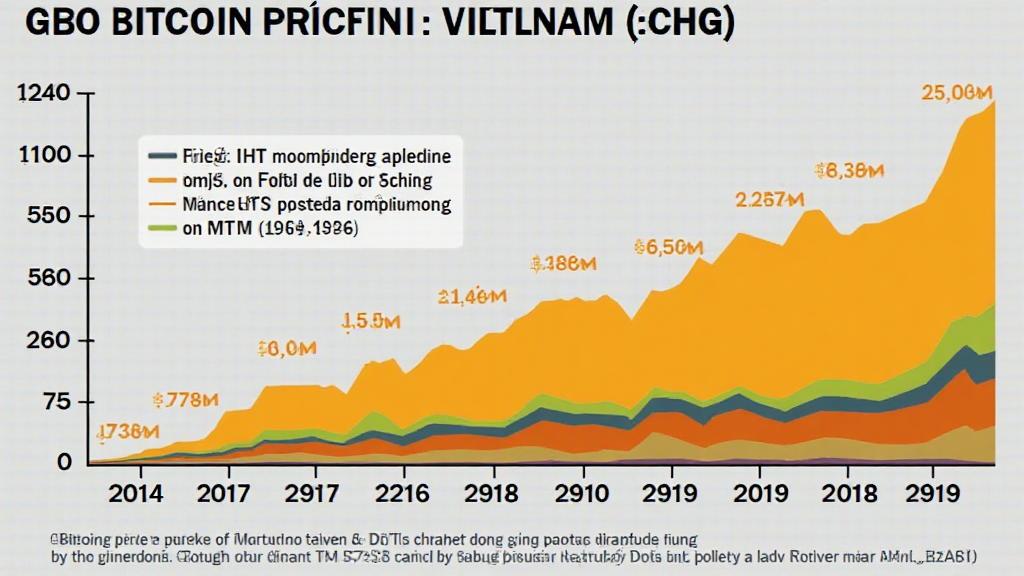
The Association of Southeast Asian Nations (ASEAN) comprises ten member countries, each with unique approaches to cryptocurrency regulation. The underlying themes across these nations often center on investor protection, anti-money laundering (AML), and the prevention of fraud. Vietnam, for instance, has been at the forefront of cryptocurrency engagement, with its user growth rate surpassing 50% in recent years, leading to a pressing demand for standardized regulations.
Current Regulatory Landscape
- Indonesia: Known for its ban on cryptocurrency transactions, the government has allowed the trading of crypto assets within regulated exchanges like Indodax.
- Malaysia: The Securities Commission regulates digital assets and has categorized cryptocurrencies as securities under Malaysian law.
- Thailand: The Thai SEC has established guidelines for digital asset businesses, aimed at ensuring transparency and security.
- Vietnam: Engaged in developing comprehensive regulations, ensuring a balance between innovation and risk mitigation.
- Philippines: The BSP (Bangko Sentral ng Pilipinas) oversees cryptocurrency exchanges, ensuring compliance with local laws.
The Importance of Compliance
Compliance with these regulations is not merely a suggestion; it is essential for maintaining operational legitimacy. The ASEAN members are on the path to creating a more unified regulatory framework, which is a significant advancement in ensuring safe trading environments. Failure to comply can lead to penalties, including substantial fines and loss of operating licenses.

Common Challenges in ASEAN Crypto Regulations
Despite healthy regulatory advances, challenges remain:
- Inconsistent Regulations: Each ASEAN country possesses distinct rules, creating confusion for investors and businesses working across borders.
- Lack of Awareness: A significant proportion of the population remains unaware of the existing regulations.
- Technological Barriers: The pace of blockchain technology evolution often outstrips regulatory adaptations.
Future Projections for ASEAN Crypto Regulations
As we look towards 2025, several trends are emerging that could shape the future of crypto regulations in the ASEAN region:
- Increased Collaboration: ASEAN members may engage in collaborative regulatory frameworks aimed at unifying and simplifying current policies.
- Focus on Innovation: Government efforts might increasingly favor the growth of blockchain startups by streamlining regulatory processes.
- Enhanced Security Standards: Expect to see regulations mandating stringent security protocols, akin to the tiêu chuẩn an ninh blockchain adopted globally.
Practical Steps for Navigating Regulations in the ASEAN Crypto Market
To effectively navigate the regulations and safeguard your investments, here are some practical steps you can take:
- Stay Informed: Regularly monitor updates from regulatory bodies such as the Bank of Thailand and the Securities Commission of Malaysia.
- Consult Experts: Engage with legal experts knowledgeable about ASEAN crypto regulations to ensure compliance.
- Utilize Secure Platforms: Platforms like mycryptodictionary offer insights into compliant trading practices and digital asset security.
The Role of Technology in Compliance
Technology plays a pivotal role in assisting businesses with compliance. Automated tools for auditing smart contracts can significantly mitigate risks. By using advanced security protocols, like cold wallets, individuals can drastically reduce the chances of hacks by upwards of 70%.
Conclusion
The ASEAN region is rapidly evolving with regards to cryptocurrency regulations, marking a crucial point for investors, businesses, and innovators. As the landscape is expected to further stabilize by 2025, understanding and adhering to local regulations will be essential for success in this volatile market. Staying compliant will not only protect your assets but also contribute to the responsible growth of the crypto ecosystem across ASEAN. For further guidance on cryptocurrency regulations or to explore more about crypto assets, visit mycryptodictionary.
Author: Dr. Nguyen Tran, a blockchain technology expert with over 15 publications in leading journals and principal investigator on renowned blockchain auditing projects.