
Token Utility Explained
Introduction
In the evolving world of cryptocurrencies, the concept of token utility is fundamental for potential investors and blockchain enthusiasts. As of 2023, the cryptocurrency market boasts over 23,000 different cryptocurrencies, yet only a fraction hold actual utility beyond speculative trading. This distinction is crucial because it helps investors understand which tokens have long-term value. Token utility refers to the practical applications of a token within its ecosystem. It encompasses everything from governance rights to access to services. In the following sections, we will break down the various forms of token utility.
What is Token Utility?
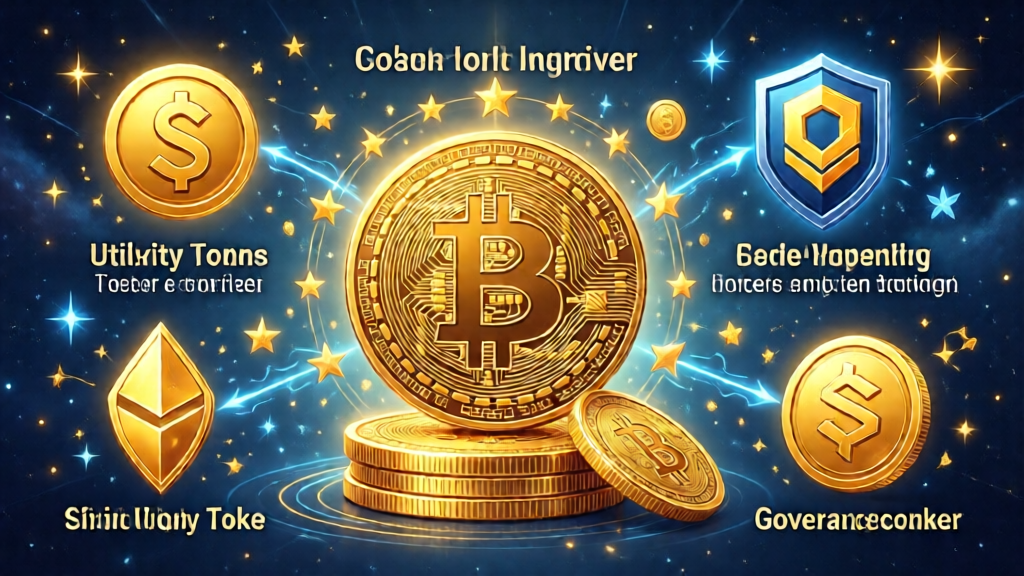
Token utility can be categorized into several forms:
- **Utility Tokens:** These tokens serve a specific purpose in their respective ecosystems. For example, Ethereum’s ETH token is used to pay for transaction fees and computational services on the Ethereum network.
- **Security Tokens:** Unlike utility tokens, security tokens represent an asset or company’s value, typically regulated by security laws.
- **Governance Tokens:** Holders of these tokens can participate in the decision-making process of a blockchain project, often impacting protocols and ecosystem aspects.
According to a recent report from CoinMarketCap, approximately 60% of the total market capitalization is now represented by tokens with some form of utility. This data emphasizes the growing importance of understanding token utility in investment decisions.
The Importance of Token Utility in Blockchain Projects
Token utility plays a vital role in the sustainability and growth of blockchain projects. Here are a few key reasons:
- **Attracts Investors:** Projects with clear utility tend to attract more serious investors who are interested in long-term gains instead of short-term profits.
- **Supports Ecosystem Growth:** Utility tokens often incentivize users to engage more with the platform, driving growth through participation.
- **Encourages Innovations:** Token utility fosters an environment where developers are encouraged to create applications and services that enhance the ecosystem.
For instance, the Chiliz token (CHZ) is widely used in sports and entertainment, allowing fans to engage with their favorite teams in innovative ways, such as voting on team decisions. This direct application creates a strong use case and enhances the token’s value.
Real-World Applications of Token Utility
The versatility of token utility can be observed in various sectors. Here are some examples:
- **Gaming:** Games like Axie Infinity have built successful economies around their utility tokens, allowing players to earn while playing.
- **Finance:** Decentralized finance (DeFi) platforms, such as Aave, utilize native tokens for lending and borrowing, creating a vibrant ecosystem.
- **Supply Chain:** Projects like VeChain provide utility tokens that enable real-time tracking and verification of products in the supply chain.
According to insights from Chainalysis, the gaming industry accounted for about 37% of all blockchain transactions in 2022. This showcases the utility of tokens in enabling diverse interactions within this massive market.
How to Evaluate Token Utility
Evaluating token utility involves understanding several metrics. Here’s how to approach it:
- **Market Demand:** Analyze the demand for the token’s utility. Is there a real need for it?
- **Use Cases and Applications:** Determine the practical applications of the token. Is it solving a real-world problem?
- **Tokenomics:** Investigate the economic model behind the token. Are rewards and incentives aligned with user engagement?
Let’s break it down with an example: If a project’s token helps in reducing transaction costs significantly within its network, it creates a compelling use case for adoption.
Future Trends in Token Utility
As blockchain technology matures, the concept of token utility will evolve. Here are some anticipated trends:
- **Interoperability:** Future tokens may facilitate transactions across multiple blockchain systems, increasing their utility.
- **Regulatory Compliance:** As regulations tighten, tokens that adhere to compliance will gain increased trust.
- **Sustainability:** Eco-friendly projects with token utility are likely to gain traction, aligning with global sustainability initiatives.
There is proof in numbers: A report from Statista shows that by 2025, more than 50% of enterprises will start adopting and integrating blockchain technology. This growing acceptance emphasizes how tokens with real utility will thrive.
Conclusion
Understanding token utility is critical for anyone looking to invest in the cryptocurrency space. By recognizing how tokens function and their real-world applications, you empower yourself to make informed decisions. Remember, the tokens that provide genuine utility are the ones likely to stand the test of time. If you want to explore more about crypto terminologies and concepts, visit mycryptodictionary for comprehensive insights.
Author: Dr. James Carter, a recognized blockchain consultant with over 15 published papers in the field, has led security audits for various notable crypto projects. His insights help demystify complex cryptocurrency topics for enthusiasts and investors alike.