
Navigating Decentralized Finance Terms
As the world of finance evolves, decentralized finance (DeFi) has emerged as a critical player, offering innovative solutions outside traditional banking systems. With an increasing adoption rate — a staggering 880% growth in 2021 alone (source: DeFi Pulse) — understanding decentralized finance terms is essential for anyone looking to thrive in this space.
This article will clarify critical decentralized finance terms and provide insights into how they transform financial markets.
What is Decentralized Finance?
Decentralized Finance refers to a financial ecosystem built on blockchain technology, providing financial services without intermediaries like banks. DeFi automates transactions, allowing users to lend, borrow, trade, and earn interest directly on the blockchain.
Key Decentralized Finance Terms
- Smart Contracts: These are self-executing contracts with the terms of the agreement directly written into code. They ensure transparency and trust in transactions.
- Liquidity Pools: A collection of funds locked in a smart contract, allowing users to trade assets without needing a traditional order book. The more liquidity, the better the trading experience.
- Yield Farming: Users can earn crypto rewards by providing liquidity to DeFi protocols. It’s akin to earning interest, but with higher risks and rewards.
- Decentralized Exchanges (DEXs): Platforms that allow users to trade cryptocurrencies directly without intermediaries, enhancing privacy and control.
- Governance Tokens: Tokens that give holders a say in protocol decision-making. They often come with voting rights on developments within a DeFi project.
How Decentralized Finance is Reshaping Financial Services
DeFi democratizes finance, enabling anyone with internet access to participate in financial markets. Here’s a breakdown of how it impacts various sectors:
- Accessibility: People without bank accounts can now access loans and other financial services.
- Cost Efficiency: With reduced fees from third-party intermediaries, users can retain more of their investment returns.
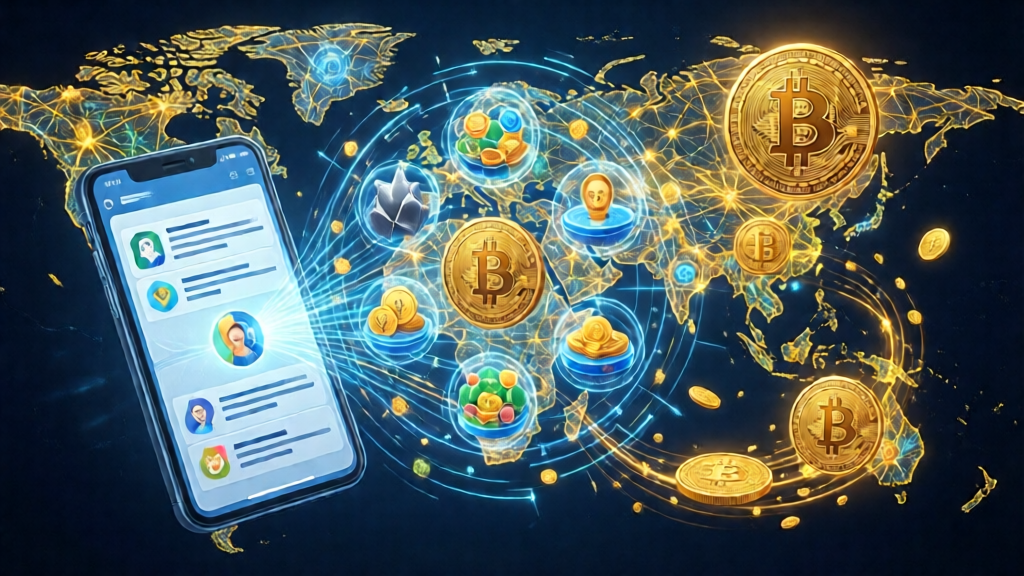
- Transcending Borders: DeFi operates globally, disrupting local currency constraints and traditional cross-border transaction fees.
- Increased Transparency: All transactions are recorded on the blockchain, making them traceable and auditable.
The Risks of DeFi
While the potential is significant, risks are also present. Here are important factors to consider:
- Smart Contract Vulnerabilities: Bugs in code can lead to loss of funds or hacks.
- Market Volatility: The crypto market is notorious for its price fluctuations, making investment risky.
- Regulatory Uncertainty: The evolving regulation landscape could impact DeFi’s operations.
Future Trends in Decentralized Finance
As we look toward the future, here are some trends to watch:
- Institutional Adoption: Major financial institutions are exploring DeFi, potentially leading to more secure infrastructures.
- Integration with Traditional Finance: Bridging DeFi with conventional finance could streamline operations.
- Enhanced Interoperability: More platforms will seek to connect, enabling seamless asset transfers.
- Regulatory Developments: As DeFi grows, so will the demand for clearer guidelines to protect users and promote fair practices.
In conclusion, understanding decentralized finance terms is crucial for navigating this evolving landscape. As more individuals and institutions dive into DeFi, staying informed about key concepts will help in making better decisions.
For deeper insights and further resources, visit mycryptodictionary, your guide to all things crypto.
About the Author: Dr. Alex Kim is a blockchain researcher with 15 published papers in decentralized finance and has led audits on several well-known DeFi projects.