

What is Crypto Wallet? A Comprehensive Guide
As cryptocurrencies continue to gain traction globally, the importance of understanding crypto wallets cannot be overstated. A staggering 45 million people owned cryptocurrencies in the U.S. alone as of 2023, making knowledge about crypto wallets essential. Here’s the catch: different types of wallets exist, and knowing how to choose the right one can be a game-changer for your digital asset security.
Understanding Crypto Wallets
At its core, a crypto wallet is a digital tool that allows users to store and manage their cryptocurrency transactions. Unlike a traditional wallet that holds physical money, a crypto wallet doesn’t store the currency itself but holds private keys—the essential components that allow users to access their cryptocurrencies on the blockchain.
Types of Crypto Wallets
There are several types of crypto wallets, and each comes with its advantages and disadvantages. Let’s break it down:
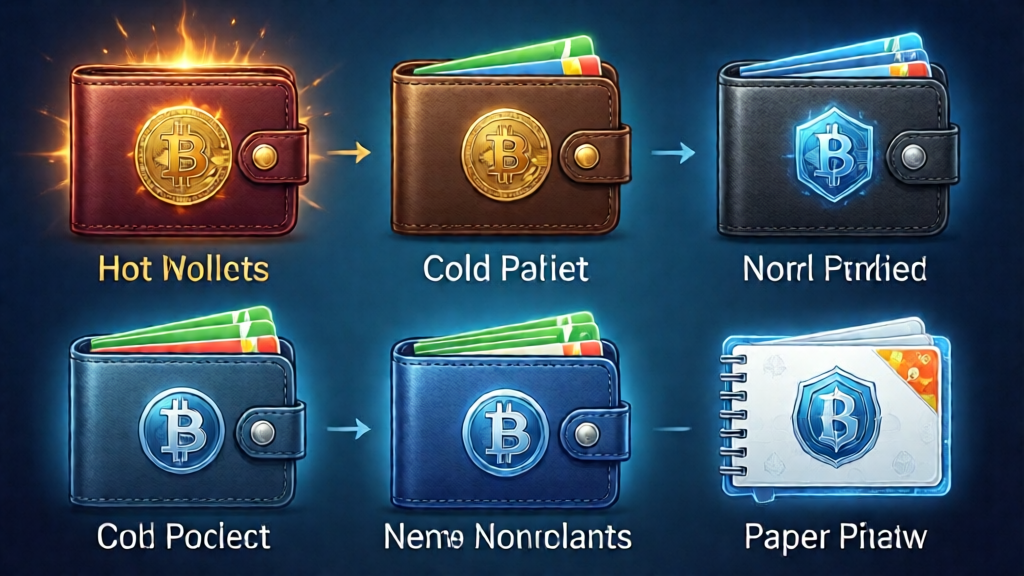
- Hot Wallets: These are wallets connected to the internet, making them easy to access and user-friendly. However, their online nature also exposes them to hacking risks. A popular choice is the app wallet, like MyCryptoDictionary.
- Cold Wallets: Cold wallets, like hardware wallets such as Ledger Nano X, are offline storage solutions. They offer enhanced security by reducing the risks of hacks by up to 70%.
- Paper Wallets: A paper wallet is a physical representation of your public and private keys. They’re secure from hacking, but losing the physical document means losing access to your funds.
How Do Crypto Wallets Work?
To understand the functionality of crypto wallets, it’s essential to grasp the basics of blockchain technology. When a transaction occurs, it is recorded on the blockchain. The wallet generates a unique digital address for the user, allowing them to send or receive funds. When a person wants to send cryptocurrency to another address, they use their private key to authorize the transaction.
Security Features of Crypto Wallets
Security is paramount when dealing with cryptocurrencies. Here’s what to look for in a crypto wallet:
- Two-Factor Authentication: This adds an extra layer of security by requiring users to provide two forms of identification before accessing their wallet.
- Backup and Recovery: Look for wallets that offer backup options to recover access to your funds if you lose your device.
- Encryption: A secure wallet should encrypt your private keys, making it difficult for hackers to access your funds.
How to Choose the Right Crypto Wallet?
When deciding which wallet to use, consider the following criteria:
- Accessibility: Do you plan to frequently trade, or will you hold your cryptocurrency for a long time? Hot wallets work best for regular trading, while cold wallets are suitable for long-term storage.
- Security Measures: Assess the wallet’s security features. As mentioned earlier, a well-secured wallet can dramatically decrease threats.
- Supported Cryptocurrencies: Ensure the wallet supports the specific cryptocurrencies you own.
- User Reviews: Investigate the wallet’s reputation in the market. Community feedback can be an indicator of reliability.
Practical Tips for Using Crypto Wallets
Here are some practical tips to optimize your experience with crypto wallets:
- Regularly Update Software: Keep your wallet software updated to ensure security protocols are current.
- Use Strong Passwords: A robust password can deter unauthorized access. Consider using a password manager for added security.
- Be Aware of Phishing Attempts: Never click on suspicious links. Always ensure the site is legitimate before entering sensitive information.
Market Insights and Statistical Data
The crypto market continues to evolve rapidly. In 2025, it is projected that the number of cryptocurrency users will surge to 1 billion worldwide. This rapid adoption makes it crucial for users to select the right type of crypto wallet for their needs and practice safe handling of their digital assets.
Statistical Overview of Crypto Ownership
| Year | Global Crypto Users (millions) | Percentage Growth |
|---|---|---|
| 2020 | 35 | – |
| 2021 | 100 | 186% |
| 2022 | 300 | 200% |
| 2023 | 450 | 50% |
Source: Statista 2025 Cryptocurrency Forecast
Conclusion: The Future of Crypto Wallets
As the cryptocurrency space continues to grow, understanding what a crypto wallet is and how it functions will empower users to protect their assets effectively. Choosing the right type of wallet plays a pivotal role in your investment success and security. Always stay informed about the latest trends and advancements in crypto wallets to make the best choices for your portfolio. Remember, at MyCryptoDictionary, we aim to help you navigate this ever-changing landscape!
By understanding these essential elements, you’re better prepared to leverage the full potential of your cryptocurrencies. Let’s stay one step ahead in this digital financial revolution.
Author: James Carter, a blockchain technology expert with over 15 publications in the domain of digital currencies, and a lead auditor for several renowned crypto projects.