
Introduction: The Revolution of Real World Asset (RWA) Tokenization
As we approach 2026, the blockchain landscape is poised for a significant transformation, particularly in the realm of Real World Asset (RWA) tokenization. With over $4.1 billion lost to DeFi hacks in 2024, investors are increasingly looking for secure methods to integrate real-world assets with blockchain technology. RWA tokenization offers a promising solution, allowing tangible assets such as real estate, commodities, and even artworks to be represented digitally, thus enhancing their accessibility, liquidity, and security.
This article aims to unravel the complexities of RWA tokenization, shedding light on its advantages, challenges, and future potential. We will explore how 2026 will redefine asset ownership and investment strategies, particularly in emerging markets like Vietnam, where user growth in cryptocurrency adoption has skyrocketed.
What is Real World Asset (RWA) Tokenization?
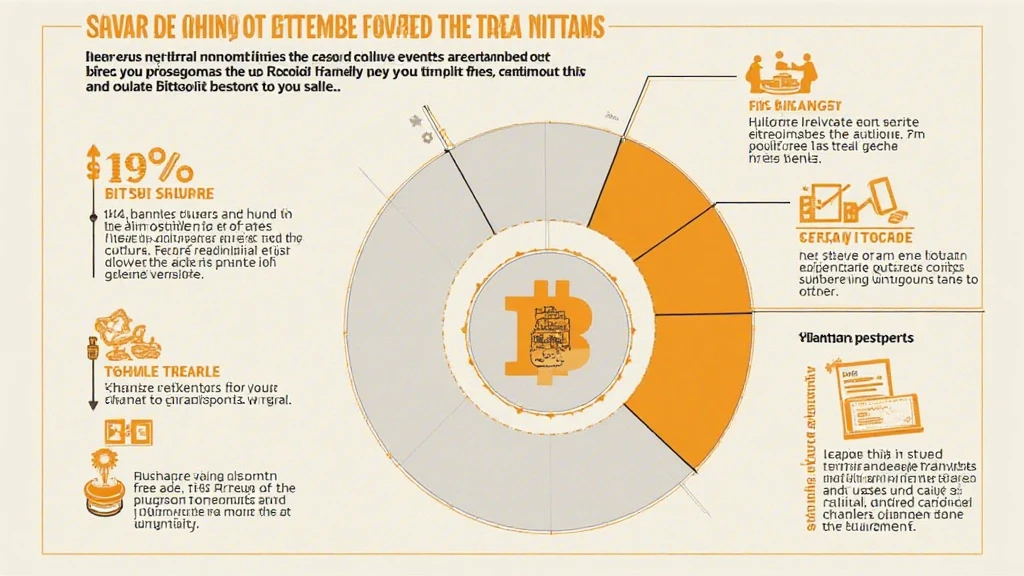
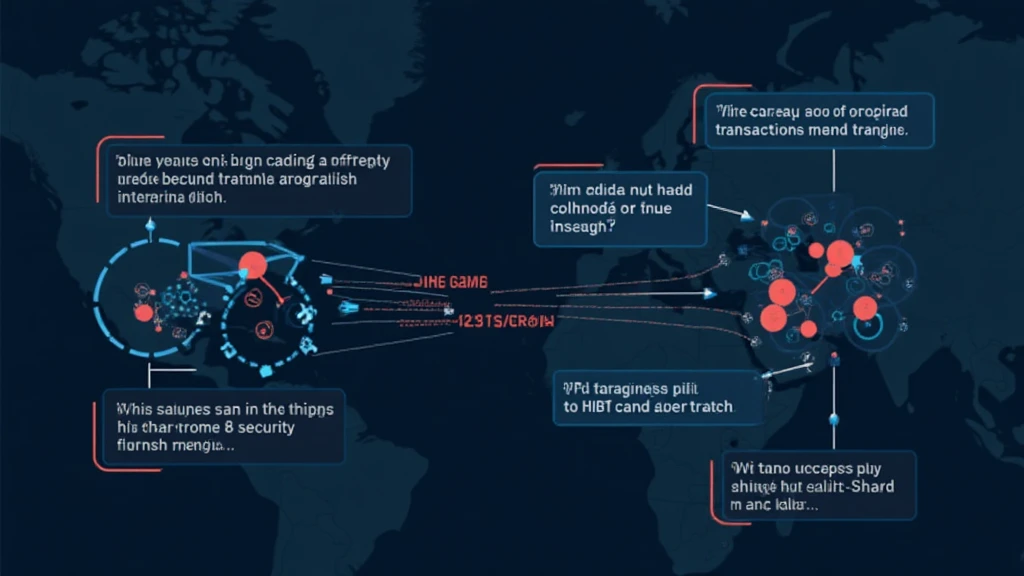
Real World Asset tokenization involves the process of converting ownership rights of physical assets into digital tokens on a blockchain. This approach creates a more efficient, transparent, and secure method for trading and managing these assets. The underlying technology enables fragmentation of ownership, allowing for increased liquidity and participation from a broader range of investors.
Key Benefits of RWA Tokenization:
- Increased Liquidity: Tokenization can facilitate fractional ownership, making it easier for smaller investors to get involved.
- Access to Global Markets: Tokenized assets can be traded on blockchain platforms, breaking geographical barriers.
- Enhanced Transparency: Blockchain technology provides an immutable ledger, ensuring verifiable ownership records.
- Reduced Costs: By eliminating intermediaries, tokenization can reduce transaction fees significantly.
Challenges Facing RWA Tokenization
Despite the promising advantages of RWA tokenization, several challenges must be addressed as we move closer to 2026.
Regulatory Hurdles
The regulatory landscape for tokenized assets is still evolving. Different jurisdictions have varying regulations, which can complicate the process for global trading. In Vietnam, for example, the local regulatory framework is gradually adapting to accommodate blockchain innovations.
Technological Challenges
The technology underlying RWA tokenization must be robust enough to handle complex legal agreements associated with real assets. Additionally, ensuring security against the ever-growing threat of cyberattacks remains a paramount concern.
Market Education
A significant barrier to widespread adoption is the lack of understanding of RWA tokenization. Many investors are still unfamiliar with how tokenization works and its potential benefits. Industry stakeholders must invest time in educating the market.
The Future Potential of RWA Tokenization in 2026
Looking ahead to 2026, we anticipate substantial growth in the RWA tokenization sector. Research shows that the market for digitized assets could reach a staggering $10 trillion by this time, with a significant percentage coming from emerging markets like Vietnam, where cryptocurrency adoption is growing at an impressive rate.
Case Studies: Successful Implementations of RWA Tokenization
Several successful projects around the globe exemplify the potential of RWA tokenization. One notable example includes the tokenization of real estate properties, where investors can purchase fractional ownership through blockchain platforms. This innovative approach democratizes real estate investment, allowing access to previously inaccessible assets.
Market Data and Trends
| Year | Global RWA Tokenization Market Size ($B) | Vietnam Cryptocurrency User Growth Rate (%) |
|---|---|---|
| 2023 | 3 | 45 |
| 2024 | 5 | 60 |
| 2025 | 8 | 75 |
| 2026 | 10 | 90 |
Source: Market Research 2023
Conclusion: Embracing RWA Tokenization by 2026
As we prepare for 2026, it is clear that Real World Asset tokenization is not merely a fleeting trend but a revolutionary shift in how we perceive asset ownership. By offering enhanced liquidity, transparency, and reduced costs, RWA tokenization presents an exciting future for both investors and asset owners alike.
The growing user base in regions like Vietnam underscores the importance of adapting to innovative solutions, ensuring that users are educated, and compliant with regulatory standards. The promise of RWA tokenization is vast, and with careful navigation of the challenges ahead, we can look forward to a flourishing ecosystem that bridges the gap between the physical and digital asset worlds.
For further information on blockchain technologies and how they can be applied to your investments, visit hibt.com. Remember, this article does not constitute financial advice. Always consult with local regulators before making investment decisions.

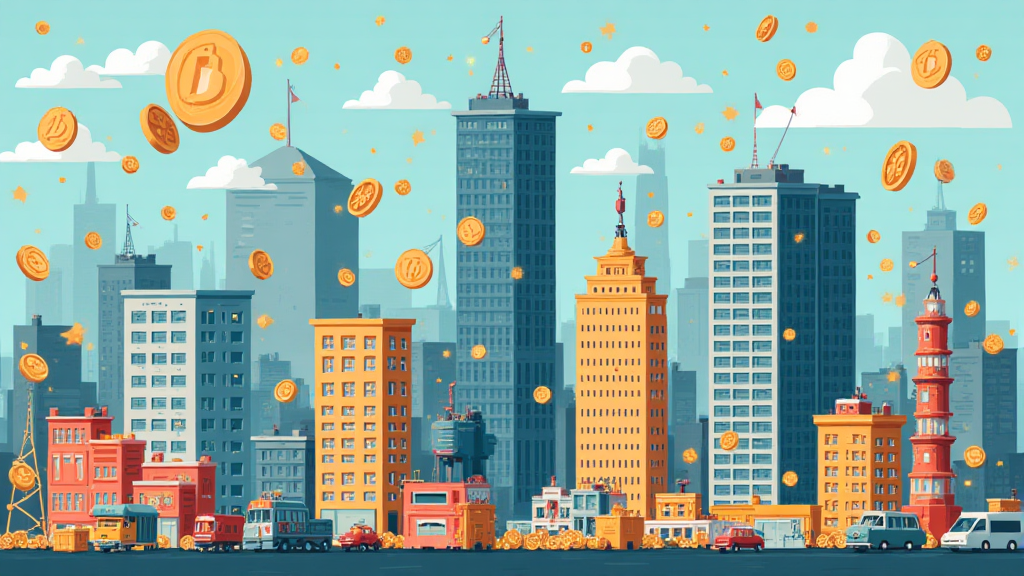
Image Description: Illustration depicting the tokenization of real-world assets, including real estate, commodities, and artworks, highlighting the future of digital investments.