
Introduction
In the rapidly evolving landscape of digital finance, the integration of traditional assets into the blockchain ecosystem has emerged as a transformative trend. With $4.1 billion reportedly lost to DeFi hacks in just the first half of 2024, investors are increasingly seeking innovative ways to protect their assets while benefiting from the advantages of decentralized finance. This rise of Real World Assets (RWA) tokenization marks a pivotal shift towards bridging the gap between traditional finance and cryptocurrencies.
As of 2023, we’re seeing unprecedented growth in the interest for RWA tokenization, particularly in countries like Vietnam, where blockchain adoption is accelerating. The Vietnamese market has witnessed a user growth rate of approximately 400% year-on-year, reflecting a burgeoning interest in leveraging blockchain for asset management.
This article will explore the concept of RWA tokenization, its benefits, challenges, and potential future applications, while addressing key questions related to the topic. By the end of this read, you’ll understand why RWA tokenization is considered the new frontier for investment and asset security.
What is Real World Assets Tokenization?
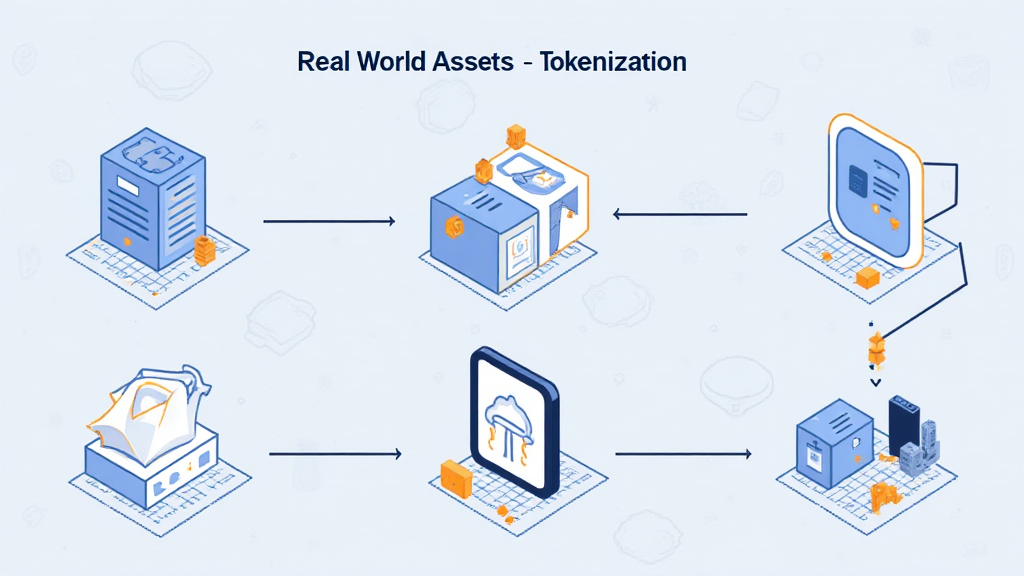
Real World Assets (RWA) refer to physical assets such as real estate, commodities, or any tangible goods that can be tokenized on a blockchain. Tokenization involves creating digital tokens that represent ownership or rights to these assets. This process enables fractional ownership, making investments more accessible and expanding market participation.
- Enhances liquidity by allowing assets to be divided into smaller tokens.
- Facilitates cross-border transactions, reducing barriers for international investments.
- Increases transparency, as all asset-related transactions are recorded on a tamper-proof ledger.
By tokenizing real-world assets, investors can bypass traditional financial intermediaries, thus lowering costs and improving transaction speeds. For instance, a piece of real estate worth $1 million can be split into 1,000 tokens, each worth $1,000, enabling smaller investors to participate.
The Benefits of RWA Tokenization
Real World Assets tokenization offers several advantages that make it an appealing option for investors and businesses alike:
1. Increased Accessibility
Tokenization democratizes investment opportunities, allowing individuals who may not have the capital to purchase an entire asset the chance to invest. This is particularly significant in developing markets like Vietnam.
2. Enhanced Liquidity
RWA tokenization transforms illiquid assets into highly liquid assets. Tokenized assets can be traded on various exchanges, giving investors the ability to buy and sell assets quickly—similar to trading shares on the stock market.
3. Greater Transparency and Security
All transactions involving tokenized assets are recorded on a blockchain, providing a transparent history of ownership and transactions. Furthermore, the use of smart contracts ensures that all conditions are met before transactions are executed, reducing the risk of fraud.
4. Cost-Effectiveness
By eliminating the need for intermediaries, RWA tokenization significantly reduces transaction costs. This allows investors to retain a greater portion of their profits.
Challenges in RWA Tokenization
Despite its numerous benefits, RWA tokenization comes with its own set of challenges:
1. Regulatory Hurdles
Different jurisdictions have varying regulations regarding asset tokenization. Navigating these regulatory landscapes can be complex and may deter some businesses from pursuing tokenization.
2. Market Acceptance
The traditional financial industry may be slow to accept tokenized assets, which can hinder widespread adoption. Building trust and demonstrating the benefits is crucial for gaining market buy-in.
3. Technological Barriers
The implementation of blockchain technology requires substantial investment in infrastructure and knowledge. Organizations need to ensure they have the necessary technology and expertise to manage tokenization effectively.
Tokenization Process: How It Works
To better understand the mechanics behind RWA tokenization, let’s break down the process into key steps:
1. Asset Identification
The first step is selecting a suitable asset for tokenization. This asset should have a clear ownership structure, defined value, and compliance with local laws.
2. Legal Structuring
Legal frameworks need to be established to ensure that tokenization complies with the relevant regulations. This may involve creating legal agreements and working with regulatory bodies.
3. Token Creation
Once the asset is legally structured, tokens can be created on a blockchain. Each token represents a share of the asset, recorded on the public ledger.
4. Distribution and Trading
Tokens can then be sold to investors, either through direct sales or on exchanges. This opens the asset up for trading, increasing liquidity.
5. Ongoing Management
Manage the tokenized asset through smart contracts which automatically enforce terms, handle distributions, and maintain records of ownership.
RWA Tokenization in the Vietnamese Market
Vietnam’s blockchain environment is thriving, with an increasing number of startups focusing on RWA tokenization. According to a recent report, over 60% of Vietnamese millennials are interested in investing in tokenized assets. This growth reflects a shift in investment strategies as younger generations seek out innovative financial products.
Moreover, the government has shown progressive attitudes towards blockchain adoption, fostering a conducive environment for blockchain startups and entrepreneurs. There’s a potential for exciting ventures stemming from tokenization in sectors such as real estate and agriculture.
Case Studies: Successful Implementations of RWA Tokenization
Several firms around the globe have successfully implemented RWA tokenization, inspiring others to follow.
- Real Estate Tokenization: A leading real estate company tokenized a resort property, allowing fractional ownership where investors could own a piece of the property.
- Art Tokenization: A company tokenized a collection of priceless artworks, enabling art enthusiasts to invest in pieces they previously could not afford.
These examples demonstrate how RWA tokenization is transforming traditional markets and opening new investment avenues.
Future Outlook: The Path Forward for RWA Tokenization
The future of RWA tokenization looks promising, with advancements in blockchain technology facilitating broader adoption. As regulatory frameworks become clearer, and public awareness increases, we can expect:
- Increased mainstream participation from traditional investors.
- Emergence of new fractionalized products, enabling even more diversification of portfolios.
- Greater collaboration between traditional financial institutions and blockchain companies.
Ultimately, as more assets are brought onto the blockchain, we will see a shift toward a more inclusive financial ecosystem, where everyone can participate in wealth creation.
Conclusion
Real World Assets (RWA) tokenization represents a fundamental shift in how we perceive ownership and value in the digital age. By merging traditional assets with blockchain technology, we open up new avenues for investment, enhance security, and increase accessibility. As we look toward the future, the potential for RWA tokenization to transform investment landscapes is immense, with countries like Vietnam at the forefront of this exciting evolution.
Remember, while this article provides insight into the promising world of RWA tokenization, it’s essential to conduct personal research and consult local regulators before making any financial decisions.
This article is brought to you by mycryptodictionary, your go-to source for accurate and reliable crypto insights.
Written by Dr. Anh Nguyen, a blockchain researcher with over 15 publications in the field and pioneering audits in prominent tokenization projects.