
Introduction
In the fast-paced world of digital finance, blockchain technology has emerged as a cornerstone of innovation and security. With $4.1 billion lost to DeFi hacks in 2024, understanding blockchain is not just beneficial—it’s essential. This article aims to simplify blockchain technology while providing you with vital insights into its workings, security standards for 2025, and how it stands to impact markets worldwide, including Vietnam.
What is Blockchain Technology?
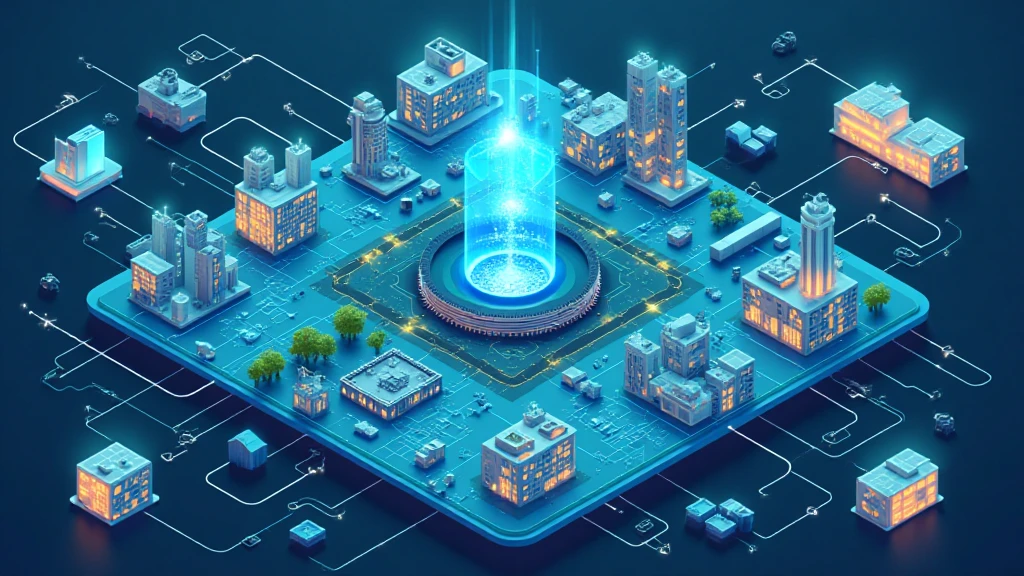
Blockchain technology is best described as a decentralized ledger that records all transactions across a network of computers. Think of it as a digital notebook, where every transaction is inscribed in permanent ink—it cannot be altered or deleted once it’s written. The main components of blockchain include:
- Blocks: These are units of data that hold transaction information.
- Chains: Blocks are linked together, creating a chronological chain.
- Nodes: These are computers that maintain the blockchain by verifying transactions.
How Does Blockchain Work?
Let’s break it down. When a transaction is made, like sending cryptocurrencies, it’s broadcasted to the entire network. Nodes then validate the transaction through a consensus mechanism—a set of rules that all nodes agree upon. The most common mechanisms include:

- Proof of Work (PoW): Miners solve complex mathematical problems to validate transactions.
- Proof of Stake (PoS): Validators are chosen based on the number of coins they hold and are willing to ‘stake’ as collateral.
Only after a transaction is validated does it get added to a new block, which is then linked to the previous block, creating a secure, tamper-proof chain.
Benefits of Blockchain Technology
Blockchain offers several advantages over traditional systems:
- Security: Its decentralized nature makes it nearly impossible for hackers to alter data.
- Transparency: All transactions are visible to users, ensuring accountability.
- Cost Efficiency: By eliminating intermediaries, blockchain reduces transaction costs.
Blockchain in the Vietnamese Market
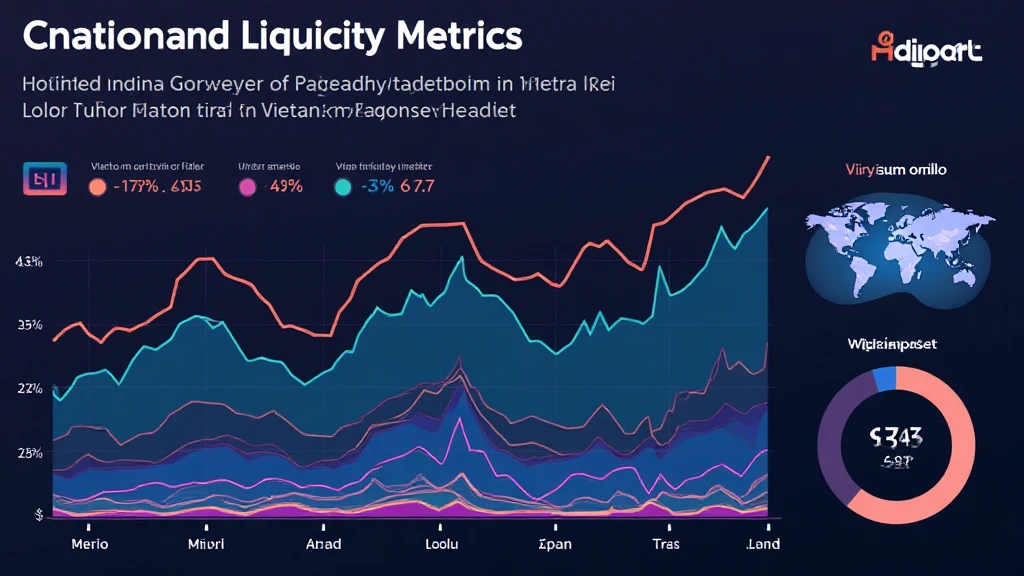
In Vietnam, the interest in blockchain technology is rapidly growing. According to recent research, the number of blockchain users in Vietnam has increased by 35% in the last year, reflecting popular sentiment towards cryptocurrencies and decentralized applications (dApps). This rise is indicative of the potential for blockchain far beyond just financial applications.
Key Trends for Blockchain in 2025
Looking ahead, several trends are expected to shape the future of blockchain:
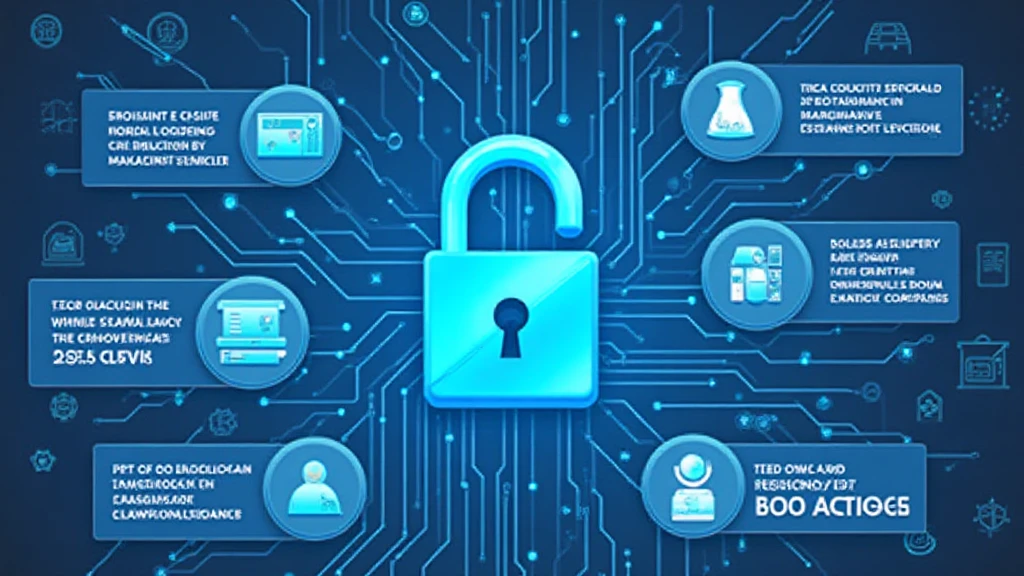
- Enhanced Security Standards: The 2025 blockchain security standards will likely mandate stricter compliance guidelines to protect user data.
- Interoperability: Future blockchains will need to communicate seamlessly with one another, enhancing user experience.
- Smart Contracts: These self-executing contracts will gain traction, allowing automated transactions but also raising questions of reliability.
Conclusion
Blockchain technology is revolutionizing the way we think about digital transactions and record-keeping. As we move towards 2025, understanding the basics of blockchain will be crucial for anyone looking to navigate the digital marketplace successfully. From security standards to market growth in countries like Vietnam, the future looks promising for this transformative technology.
For more information on blockchain technology and its applications, visit mycryptodictionary.