
Introduction
The cryptocurrency landscape is evolving at a breakneck pace. As of 2025, it was reported that over 400 million individuals worldwide are actively engaging in various crypto activities, opening doors for innovative technologies like Mining Rig Layer 2 Platforms. But what exactly is a Layer 2 platform, and how do mining rigs fit into this intricate ecosystem?
In this article, we’ll provide a comprehensive overview of these technologies, their importance, and the nuances that make them stand out in the blockchain world. Let’s break it down!
Understanding Layer 2 Platforms
Layer 2 solutions refer to secondary frameworks built atop a primary blockchain (Layer 1) that facilitates scalability and transaction efficiency. These platforms utilize various methods, such as sidechains or payment channels, to enhance performance without compromising decentralization.
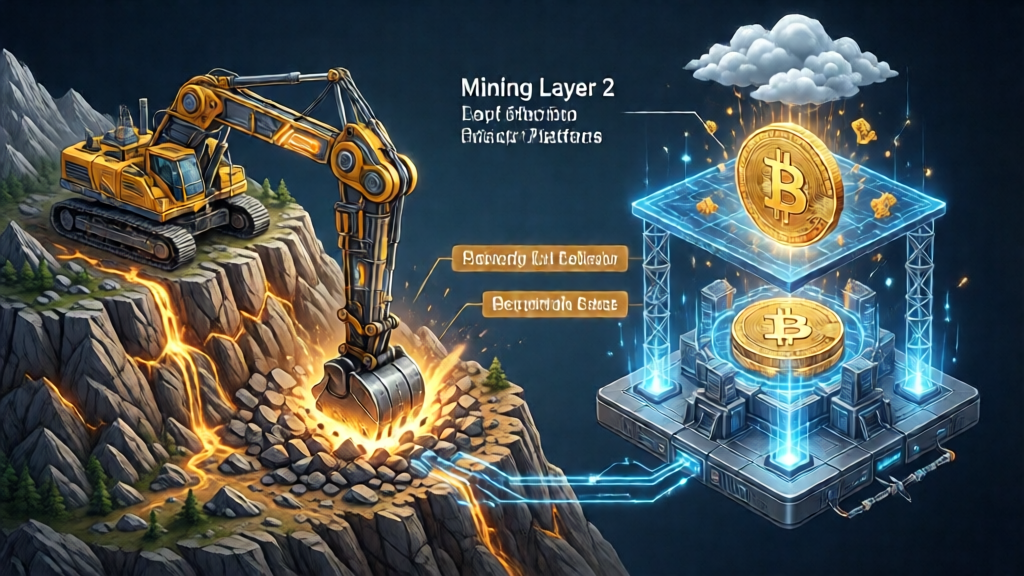
For instance, Ethereum 2.0 is actively adopting Layer 2 solutions like Polygon to minimize congestion and increase transaction throughput. Layer 2 solutions have become essential to address the limitations of traditional blockchains, which often face scalability issues due to the increasing number of users and transactions.
Why is Layer 2 Important?
- Scalability: Layer 1 solutions often become congested with high transaction volumes. Layer 2 effectively mitigates this issue.
- Lower Costs: Users benefit from reduced fees on Layer 2 platforms as they facilitate quicker transactions.
- Faster Transactions: With Layer 2, transactions can be settled off-chain, leading to quicker confirmations.
The Role of Mining Rigs in Layer 2 Platforms
Mining rigs are powerful computers specifically built to perform cryptocurrency mining. In a Layer 2 context, they not only contribute to transaction validation but also enhance the overall efficiency of the network.
Here’s the catch: Layer 2 solutions operate differently from traditional mining on Layer 1. While mining remains crucial for proof-of-work mechanisms, Layer 2 platforms can leverage proof-of-stake methods, which require significantly less energy. As the global community increasingly leans towards sustainability, Layer 2 platforms integrating mining rigs provide a viable solution.
Mining Rigs and Sustainability
- Energy Efficiency: Many Layer 2 platforms prioritize energy-efficient protocols, minimizing environmental impact.
- Eco-Friendly Solutions: Utilizing renewable energy sources for mining operations in Layer 2 further underscores commitment to sustainability.
Real-World Implementations of Mining Rig Layer 2 Platforms
To illustrate the potential of Mining Rig Layer 2 Platforms, let’s look at some real-world examples:
- Polygon: This Ethereum scaling solution has generated a vast ecosystem that integrates various dApps while allowing mining units to operate efficiently.
- Arbitrum: Utilizing Ethereum’s Layer 2, it provides unparalleled transaction speed with low fees, attracting miners looking to optimize their yields.
Market Analysis and Trends
As the demand for efficient and eco-friendly solutions continues to rise, Layer 2 platforms have observed significant growth. According to a recent study published in 2025, the Layer 2 market is projected to reach $50 billion due to increased adoption by miners.
| Year | Market Size ($ Billion) |
|---|---|
| 2022 | 10 |
| 2023 | 20 |
| 2025 | 50 |
Source: Industry Insights Report 2025.
Challenges Faced by Mining Rig Layer 2 Platforms
Despite their numerous benefits, these platforms also encounter challenges such as:
- Upfront Costs: High initial investments in mining rigs can be a barrier for new entrants.
- Technical Complexity: Setting up and maintaining Layer 2 solutions may require expertise, deterring some miners.
Future Outlook for Mining Rig Layer 2 Platforms
The combination of advancements in blockchain technology and increasing user-adoption rates suggests a bright future for Mining Rig Layer 2 platforms. Innovations such as Ethereum’s transition toward proof-of-stake reinforce the long-term viability and sustainability of these platforms.
Let’s summarize the major trends shaping the future of Mining Rig Layer 2 Platforms:
- Integration with Renewable Energy: As energy costs rise, miners are likely to shift towards sustainable practices.
- Regulatory Developments: Government regulations will shape the future landscape of cryptocurrency mining and Layer 2 technologies.
Conclusion
In conclusion, Mining Rig Layer 2 Platforms represent a significant development in the realm of cryptocurrency mining. They offer scalable, efficient, and eco-friendly solutions that align with future-oriented trends in the industry. As adoption continues to rise and technology advances, these platforms will likely play a pivotal role in shaping the future of cryptocurrency.
Whether you’re a seasoned miner or new to the scene, understanding these advancements can provide a competitive edge in the ever-evolving cryptocurrency environment. Staying up-to-date with mining technology will ensure that participants maximize their efficiency and profitability.
For more insightful articles and cryptocurrency resources, visit mycryptodictionary.
About the Author
Dr. John Techman, a renowned blockchain researcher with over 15 published papers in the field, has led audits for several high-profile projects, strengthening his credibility in cryptocurrency innovation.