
Understanding Layer 2 Solutions in Cryptocurrency
In the rapidly evolving world of cryptocurrency, scalability remains one of the most pressing challenges. As more users engage with blockchain networks, the demand for faster transactions and lower fees has intensified. Enter Layer 2 solutions. In this article, we will explore what Layer 2 means, its significance in the ecosystem, the various types available, and the real-world examples that highlight its impact.
What Are Layer 2 Solutions?
Layer 2 solutions are protocols built on top of existing blockchain networks (Layer 1) designed to increase transaction speed and reduce costs while maintaining the security and decentralization of the underlying chain. Essentially, they enable higher throughput by taking the load off the primary blockchain, allowing for quicker transaction times and lower fees.
Why Are Layer 2 Solutions Needed?
- The increasing number of transactions leads to congestion on major networks like Ethereum.
- High transaction fees deter smaller users from participating.
- Speed is crucial for mass adoption, especially for applications like decentralized finance (DeFi) and non-fungible tokens (NFTs).
Types of Layer 2 Solutions
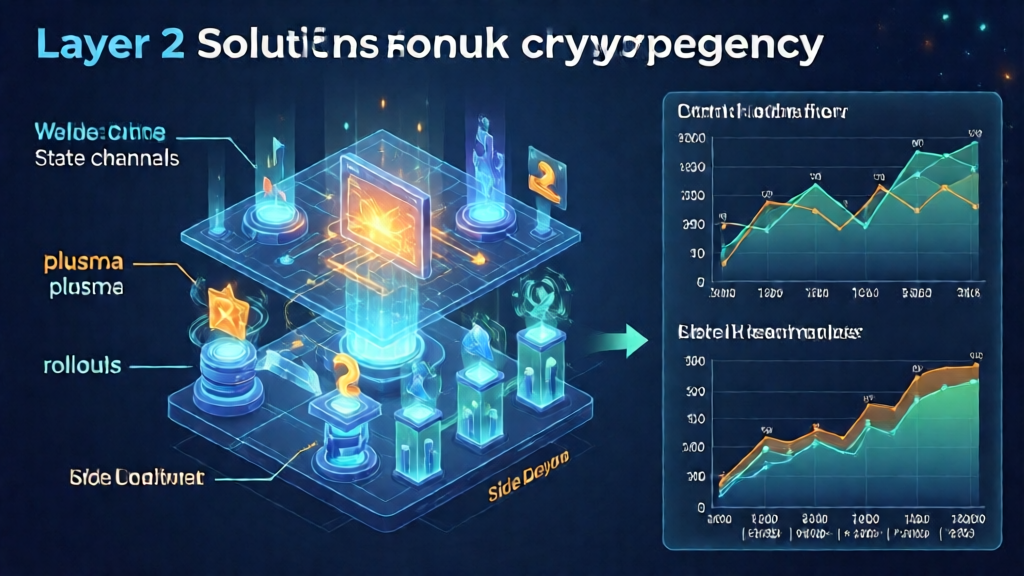
There are several types of Layer 2 solutions, each with its own unique approach to enhancing blockchain scalability:
State Channels
State channels allow participants to conduct transactions off the main chain. This means that only the opening and closing transactions are recorded on the blockchain, significantly reducing congestion. Examples include the Lightning Network for Bitcoin and Raiden Network for Ethereum.
Plasma
Plasma is a framework that allows the creation of child blockchains that handle bulk transactions, returning only relevant data to the main Ethereum blockchain. It reduces the strain on the main chain while ensuring users can still interact with the broader network.
Rollups
Rollups bundle multiple transactions into a single one before sending them to the main chain. There are two types: zk-Rollups, which use zero-knowledge proofs for security, and optimistic Rollups, which assume transactions are valid unless proven otherwise.
Sidechains
Sidechains operate as independent blockchains linked to a parent chain, allowing for the transfer of assets between them. They can implement different consensus mechanisms or features tailored to specific applications.
Benefits of Layer 2 Solutions
- Increased Transaction Speed: Transactions are processed faster since they don’t require confirmation on the main blockchain.
- Lower Fees: Reduced congestion often translates to lower fees, making it more accessible.
- Scalability: They greatly enhance the overall capacity of blockchain networks, allowing for many more transactions.
Real-World Applications
Layer 2 solutions are already making a mark in various sectors:
- Gaming: Platforms like Enjin use Layer 2 solutions to ensure seamless transactions in gaming environments.
- Decentralized Finance: DeFi applications often rely on Layer 2 solutions to provide users with fast and inexpensive transactions.
- Microtransactions: Industries like content creation and online gaming benefit from Layer 2’s ability to support small transactions without high fees.
Case Studies of Layer 2 in Action
Let’s explore some successful implementations of Layer 2 solutions:
The Lightning Network
The Lightning Network has successfully alleviated congestion on the Bitcoin network, allowing for instant transactions and enabling microtransactions that were previously impractical.
Polygon (MATIC)
Polygon has established itself as a prominent Layer 2 solution for Ethereum, offering various tools and frameworks that promote scalability, with significant adoption across numerous DeFi projects.
Potential Challenges
While Layer 2 solutions bring significant benefits, they are not without challenges:
- Complexity in integration for developers.
- Potential security risks that can arise from relying on third-party solutions.
- Fragmentation of the ecosystem, where users may need to navigate multiple platforms.
Future Prospects of Layer 2 Solutions
As we look ahead, the future of Layer 2 solutions appears bright. With the ongoing advancements in technology and increasing adoption in various sectors, these solutions are expected to play a vital role in the mainstream acceptance of cryptocurrencies. It’s crucial for developers, investors, and users to understand their functionalities and implications.
Conclusion
In summary, Layer 2 solutions are critical in addressing the scalability issues faced by blockchain networks today. By allowing for faster transactions and lower costs while maintaining security, they pave the way for a broader adoption of cryptocurrencies across various industries. As blockchain technology continues to evolve, understanding what Layer 2 offers will be essential for anyone involved in the space.
For those interested in further exploring this topic and enhancing their knowledge about blockchain technologies, visit mycryptodictionary.
Author: Dr. Alex Thompson, a blockchain researcher with over 15 published papers in the field of cryptocurrency and smart contracts. He has also led audits for high-profile projects in the crypto space.