
Introduction
With the NFT market skyrocketing to an estimated value of $41 billion in 2021, many are looking to understand the complex lexicon surrounding these digital assets. From ‘minting’ to ‘gas fees’, navigating the NFT landscape can feel like learning a new language. In this article, we aim to provide a comprehensive understanding of key NFT terms essential for anyone involved in the cryptocurrency space. Whether you’re an artist, collector, or investor, grasping these concepts will enhance your ability to engage with the NFT market effectively.
What are NFTs?
Non-Fungible Tokens (NFTs) are unique digital assets that represent ownership of a specific item or piece of content on the blockchain. Unlike cryptocurrencies such as Bitcoin or Ethereum, which are fungible and can be exchanged for one another, NFTs are one-of-a-kind. This uniqueness is what gives them value, akin to a rare collectible.
The Birth of NFTs
The concept of NFTs emerged around 2017 with the launch of the Ethereum-based project CryptoKitties. Since then, the technology has evolved, and the NFT ecosystem has expanded into various fields, including art, gaming, music, and real estate.
Key NFT Terms Explained
Understanding the core terms associated with NFTs is vital. Here’s a breakdown of some key terminology:
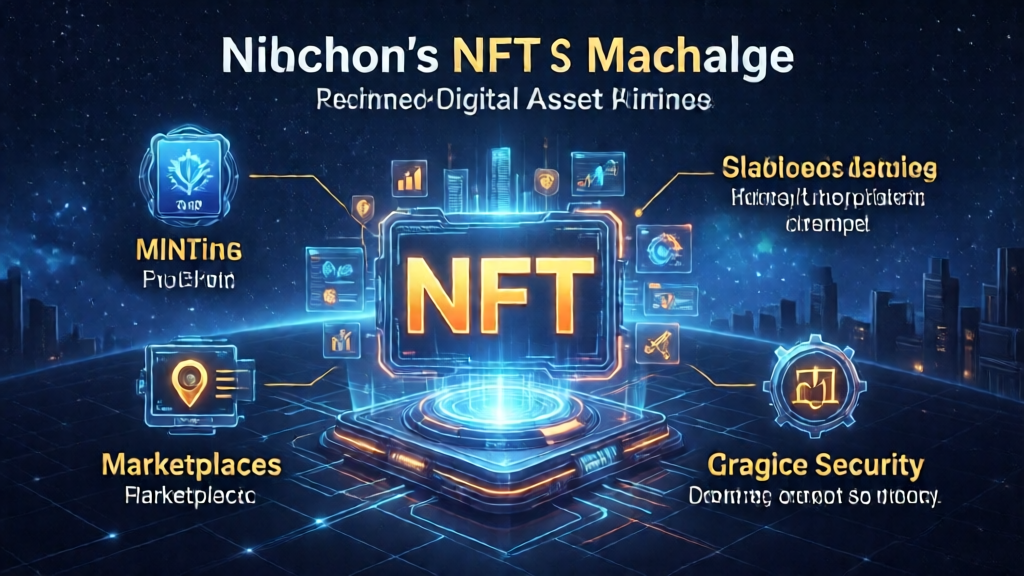
- Minting: The process of creating a new NFT on the blockchain. When an artist uploads their art to an NFT marketplace, they mint it into a unique token, which can then be bought or sold.
- Gas Fees: These are transaction fees on the Ethereum network required for minting and trading NFTs. Gas fees can fluctuate significantly based on network congestion, so timing your transactions can save you money.
- Wallet: A digital wallet (e.g., MetaMask) is necessary to store your NFTs securely. It’s important to choose a wallet that supports Ethereum-based tokens, as most NFTs are built on the Ethereum blockchain.
- Marketplace: A platform where users can buy, sell, and trade NFTs. Examples include Opensea, Rarible, and Foundation.
- Royalties: Some NFT creators can earn royalties from secondary sales, meaning they’ll receive a percentage every time their NFT is sold to a new owner.
- Interoperability: The ability of NFTs to be used across different platforms. This concept is crucial for the broader adoption of NFTs.
Navigating NFT Marketplaces
Finding the right marketplace can be daunting given the plethora of options available. Each marketplace offers different features and caters to various audiences. Here’s a look at some popular NFT marketplaces:
- Opensea: The largest marketplace for NFTs, Opensea hosts a wide array of items, from digital art to virtual real estate.
- Rarible: A marketplace that allows users to not only buy and sell NFTs but also create custom NFTs, making it more accessible for artists.
- Foundation: A curated platform for artists to launch and sell their work. Foundation prioritizes creator control and community growth.
Understanding NFT Value
The value of an NFT is not solely determined by its artistic merit. Market trends, celebrity endorsements, and buyer sentiment can all influence prices. In 2025, it is anticipated that the market for NFTs will grow exponentially. Key factors influencing NFT value include:
- Scarcity: The fewer the copies of an NFT, the higher its perceived value. Limited editions often yield higher prices.
- Creator Reputation: Established artists or brands bring built-in credibility, often resulting in higher sales prices.
- Historical Significance: NFTs that are milestones or pioneering works in the space tend to hold more value.
Conclusion
As the world of NFTs continues to evolve, understanding essential NFT terms is key to navigating the digital asset landscape effectively. This guide serves as a foundation to help you identify vital concepts that will aid in your involvement in the NFT marketplace. With anticipated growth and a continually changing environment, it’s crucial to stay informed and engaged. For anyone delving into the world of NFTs, knowledge will be your most valuable asset.
Ready to dive deeper into the NFT world? Visit mycryptodictionary for more insightful resources.