
Introduction: What Are Smart Contracts?
With the rise of decentralized finance (DeFi), the trading landscape has dramatically transformed. In 2024 alone, reports indicated that $4.1 billion was lost to various hacks targeting DeFi platforms. As a result, there has been an increasing emphasis on security, leading to the implementation of smart contracts in trading transactions.
This article aims to explain smart contracts in trading, emphasizing their importance, benefits, and potential vulnerabilities. By understanding these fundamental components, traders can better navigate the crypto landscape.
What Is a Smart Contract?
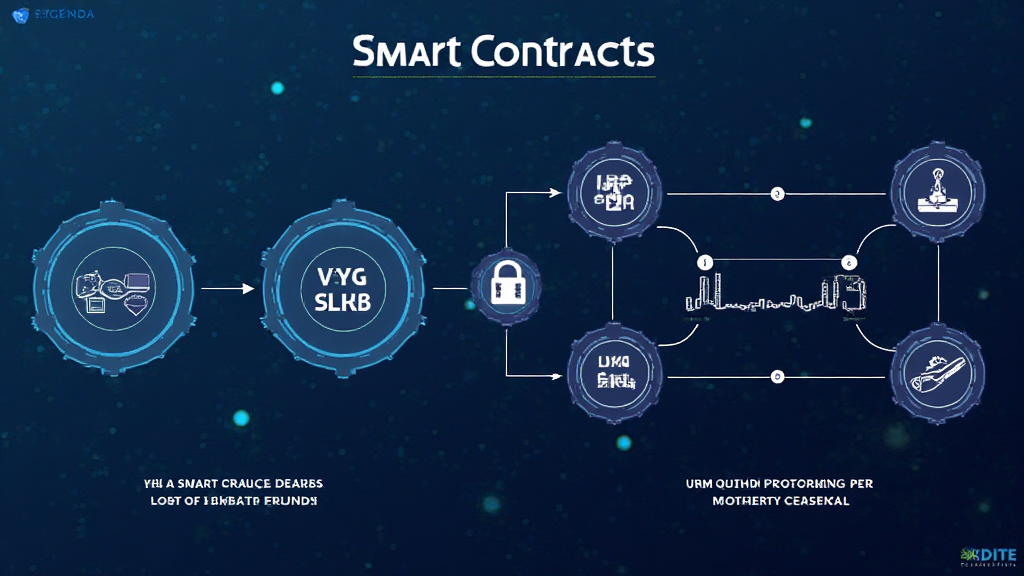
A smart contract is a self-executing contract with the terms of the agreement directly written into code. These contracts are stored on the blockchain, ensuring transparency and immutability. Think of it like a vending machine: once you insert the coins (fulfill the conditions), the machine automatically dispenses your chosen product (executes the agreement).
- **Blockchain-Based:** Operates on blockchain technology, providing a robust security framework.
- **Self-Executing:** Automates processes without needing intermediaries.
- **Immutable:** Once deployed, smart contracts cannot be changed, reducing fraud potential.
How Smart Contracts Work in Trading
In the trading context, smart contracts automate the entire transaction process. Here’s a simple sequence of how they function:
- The buyer and seller agree on the terms of the trade.
- The smart contract is created with these terms encoded.
- Once both parties fulfill their obligations, the contract executes automatically, transferring assets.
This streamlined process reduces the time and potential errors associated with traditional trading methods.
The Advantages of Smart Contracts in Trading
Utilizing smart contracts for trading presents several advantages that align with the growing demands of the crypto ecosystem.
- **Security:** The blockchain’s encryption features help safeguard transactions against hacks.
- **Transparency:** All parties involved can view the transaction history, promoting trust.
- **Cost Efficiency:** Eliminating intermediaries reduces charges associated with trading platforms.
- **Speed:** Automated processes facilitate quicker transactions without delay.
Smart Contracts in the Vietnamese Market
In Vietnam, the cryptocurrency user base has expanded rapidly, with an increase of over 30% in 2024. Amid this growth, the demand for security solutions has surged, leading to the adoption of smart contracts in trading. With the data showing that Vietnamese traders are more inclined to secure their investments, integrating smart contracts provides a competitive edge.
Risks and Vulnerabilities Associated with Smart Contracts
Despite their advantages, smart contracts are not immune to issues. Here are some vulnerabilities to consider:
- **Code Vulnerabilities:** Bugs or exploits in the code can lead to potential losses.
- **Legal Issues:** The lack of regulatory clarity may complicate contract enforceability in some jurisdictions.
- **Human Error:** Incorrect initial contract coding can lead to unintended execution.
By auditing smart contracts—similar to how a financial audit is conducted—traders can mitigate risks. Proper auditing ensures that the smart contract functions as intended, minimizing potential pitfalls.
How to Audit Smart Contracts
Auditing involves reviewing the smart contract code for errors or vulnerabilities. Here’s a step-by-step guide to auditing:
- Conduct a manual review of the code.
- Utilize automated auditing tools to identify security flaws.
- Verify compliance with existing regulations and standards.
- Test the smart contract in a controlled environment before deployment.
By following these steps, traders can enhance the security of their digital assets and build confidence in their transactions.
The Future of Trading with Smart Contracts
As technology continues to evolve, smart contracts will likely play a vital role in reshaping the trading landscape. Here’s what to expect:
- **Increased Adoption:** More trading platforms will integrate smart contracts to enhance security and efficiency.
- **Regulatory Developments:** Governments are expected to establish clearer guidelines for smart contracts, bolstering their legitimacy.
- **Innovation:** Further advancements may arise, leading to enhanced functionalities of smart contracts.
In the Vietnamese market, this shift could mean a boost in user trust, promoting increased investments in cryptocurrency.
Conclusion
Smart contracts represent a significant advancement in the trading sphere, ensuring security and efficiency. By providing transparency and reducing costs, they offer a promising solution for traders navigating the cryptocurrency landscape. As the market continues to evolve, the role of smart contracts will undoubtedly become more critical, making it essential for traders to understand their functionalities and risks.
For more insights into cryptocurrency trading and security, be sure to visit mycryptodictionary, where we continuously update our resources to meet the needs of traders everywhere.
Author: Dr. Minh Nguyen, a leading expert in blockchain technology with over 15 published papers and experience in auditing major DeFi projects.