
DAO Governance in Crypto Projects: Revolutionizing Decision-Making
In the rapidly evolving world of cryptocurrency, the rise of Decentralized Autonomous Organizations (DAOs) is affecting how projects are governed and managed. With over 60 million wallets created across the globe, it’s clear that the adoption of crypto technology is surging. However, the lack of centralized authority has led to the necessity for a governance structure that can adapt to the community’s needs. So, how is DAO governance transforming crypto projects, especially in a vibrant market like Vietnam?
The Concept of DAO Governance
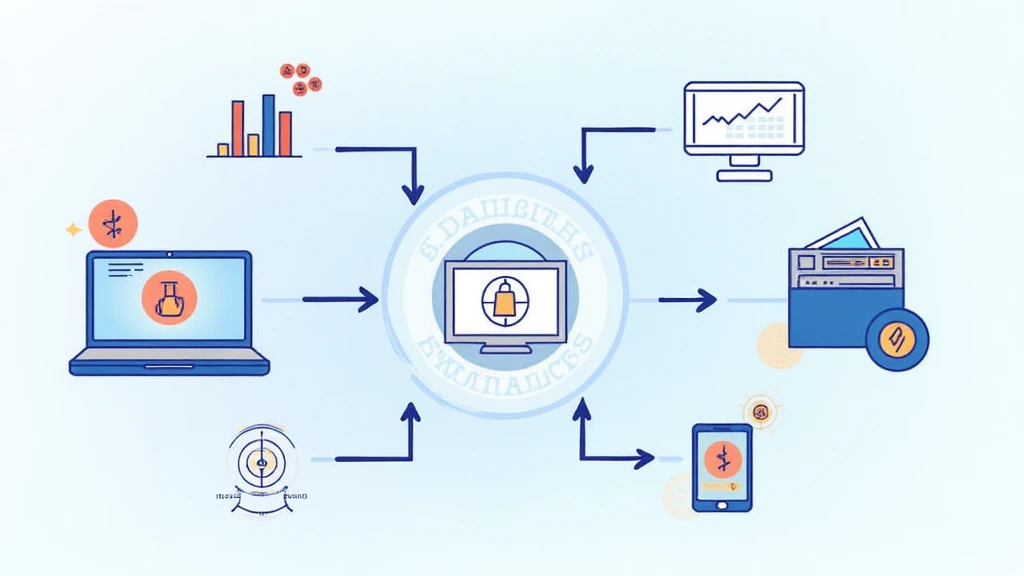
DAOs operate on blockchain technology, allowing stakeholders to participate in decision-making processes transparently. Unlike traditional governance structures, which can be hierarchical and opaque, DAOs utilize smart contracts and voting mechanisms to ensure that every member has a voice.
- Decentralization: Removes the risk of central authority abuse.
- Transparency: Every transaction and decision is recorded on the blockchain, accessible to all members.
- Community Engagement: Members participate directly, resulting in solutions that reflect the community’s needs.
How DAO Governance Benefits Crypto Projects
Implementing DAO governance within crypto projects comes with a myriad of benefits that can significantly impact project success. Here are some notable advantages:

- Empowered Communities: By allowing token holders to vote on proposals and governance issues, communities are more likely to feel invested.
- Faster Decision-Making: DAO governance enables quicker and more efficient decision-making processes due to the absence of bureaucratic delays.
- Incentivization: Participants can earn rewards for their contributions, creating a cycle of positive reinforcement that drives engagement.
The Role of Smart Contracts in DAO Governance
Smart contracts serve as the backbone of DAO governance. They’re self-executing contracts with the terms of the agreement directly written into code. Here are some essential functions they serve in DAO governance:
- Automate the voting process, ensuring legitimacy and transparency.
- Execute decisions minutes after a vote concludes, promoting efficiency.
- Facilitate secure transactions without intermediaries.
A significant advantage of using smart contracts is reducing costs associated with traditional governance processes. Projects can allocate these savings directly to development funds, further enhancing their efficacy.
Challenges of DAO Governance
Despite its advantages, DAO governance isn’t without challenges. Here are some issues that crypto projects may face:
- Security Vulnerabilities: Smart contracts can be exploited if not adequately audited, leading to potential financial losses.
- Voter Apathy: Low participation rates can skew decision-making outcomes, leading to unrepresentative governance.
- Legal Recognition: The lack of clear legal status can complicate operations, especially in markets like Vietnam.
Real-World Applications and Trends
Many crypto projects have successfully implemented DAO governance to great effect. For instance, projects like MakerDAO and Uniswap serve as shining examples of how DAOs can operate effectively.
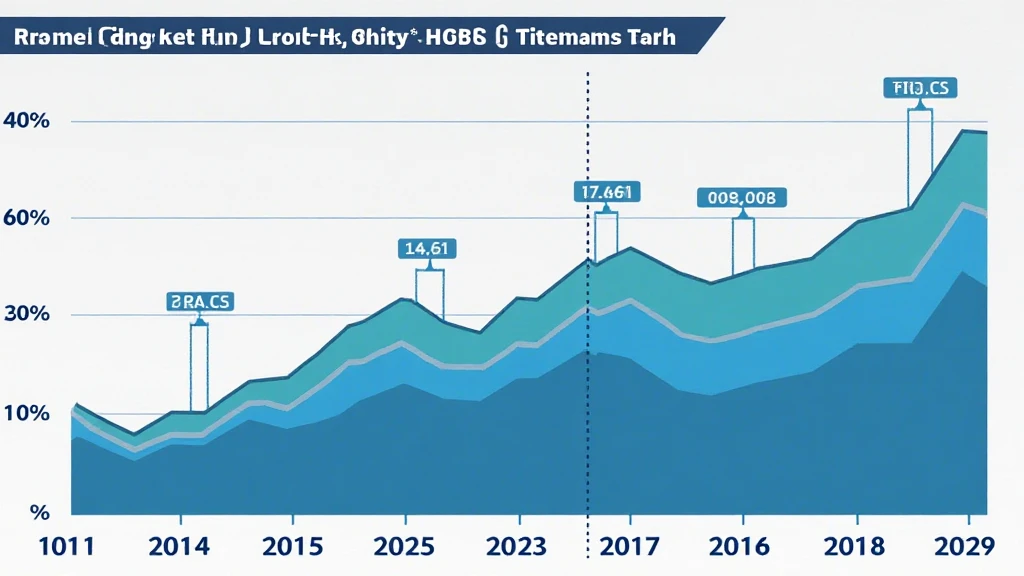
In Vietnam, the user growth rate for crypto adoption in 2024 was reported to be around 32%, reflecting a growing interest in technologies like DAOs. As local projects emerge, they can leverage DAO governance to align more closely with community interests and tackle specific regional challenges.
Future Trends in DAO Governance
As we look toward 2025, we can anticipate several exciting trends in DAO governance:
- Enhanced Security Standards: The implementation of stricter smart contract auditing protocols to prevent hacks.
- Legal Frameworks: Countries, including Vietnam, might introduce clearer regulations for DAOs.
- Increased Interoperability: DAOs will become more integrated, allowing various projects to collaborate, share resources, and drive larger initiatives.
Conclusion: The Future of DAO Governance
As the realm of cryptocurrency expands, DAO governance is poised to play a pivotal role in shaping equitable and transparent project management. Understanding the significance of decentralization, community engagement, and smart contracts will be crucial for stakeholders. Vietnamese crypto projects, in particular, stand to benefit greatly from adopting these principles to enhance user experience and trust.
As the DAO model continues to evolve, staying informed about governance trends and community dynamics will position investors, developers, and users to navigate this new landscape effectively.
As a reminder, this article is not financial advice. Consult with local regulators before participating in any crypto projects.
For more insights and updates on DAO governance and crypto projects, visit mycryptodictionary.
Author: John Smith
John Smith is a blockchain consultant with over 10 years of experience in decentralized finance. He has published more than 30 papers in the field and has led audits for prominent crypto projects worldwide.